
FREE HOME EVALUATION
Call :647-200-1165
How Much Is My Home Worth? Free Home Evaluation in Brampton & GTA
Get Your Home Value Instantly on Screen !
Calculate your property Value with on-screen Calculator. Values are based on the latest market trends*.

Get a Custom Free Home Evaluation Today on Screen !
Instant Home Evaluation Calculator
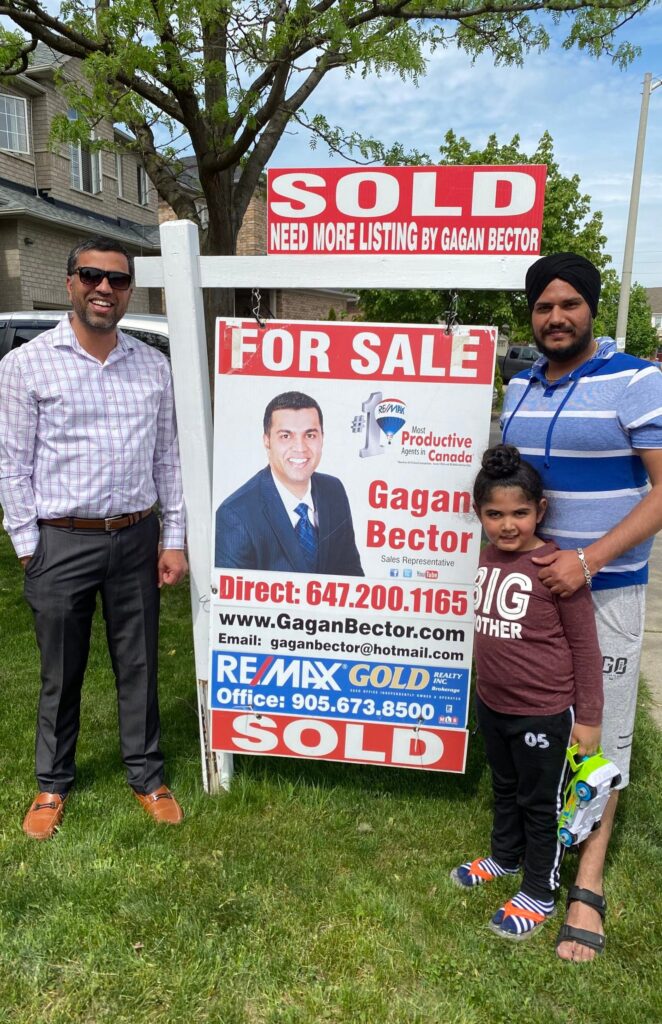
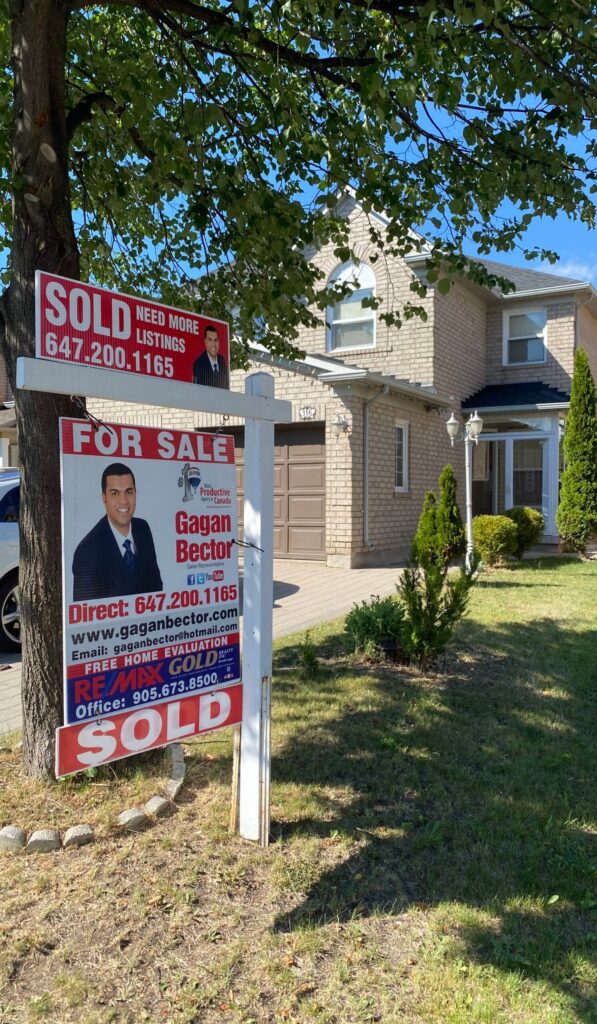
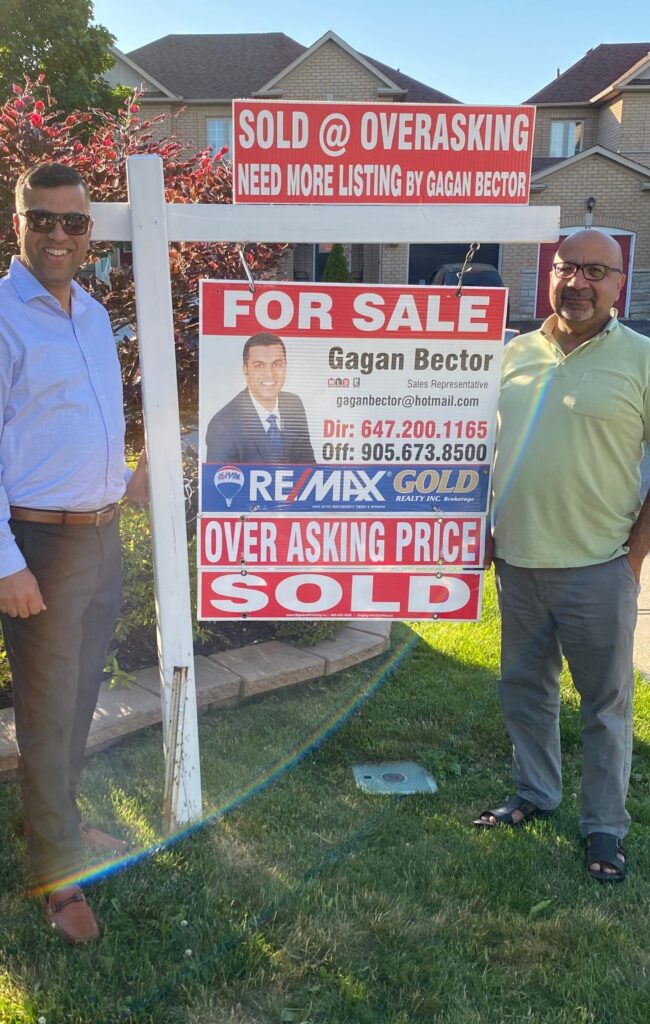
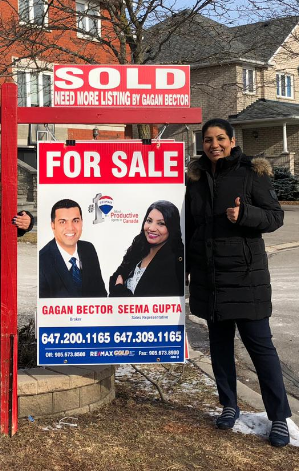
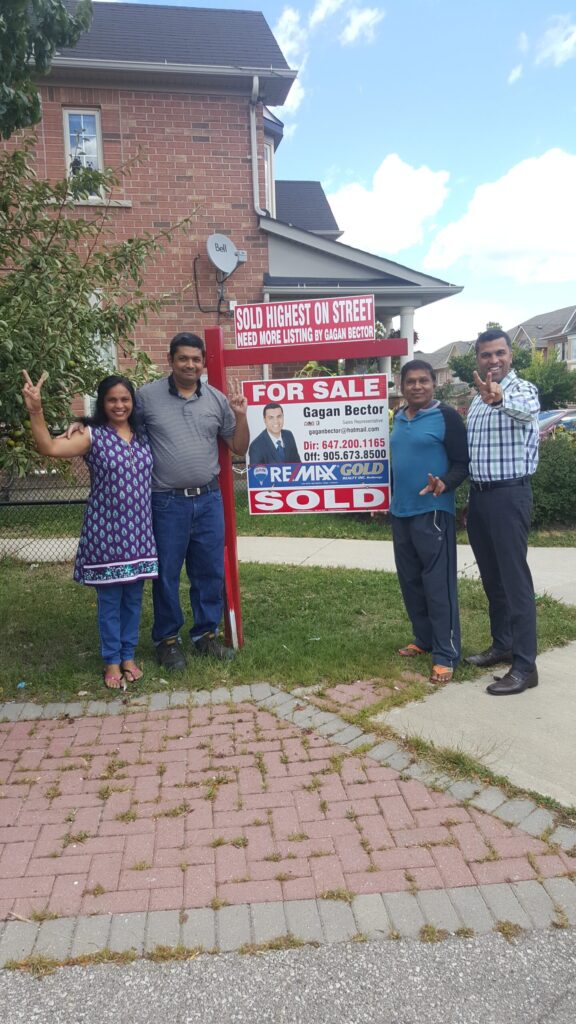
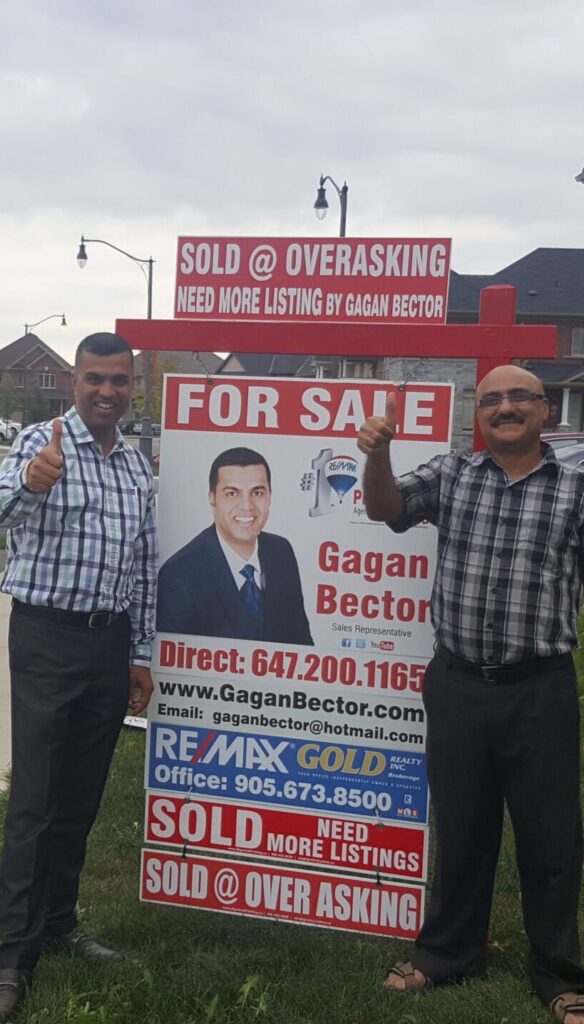
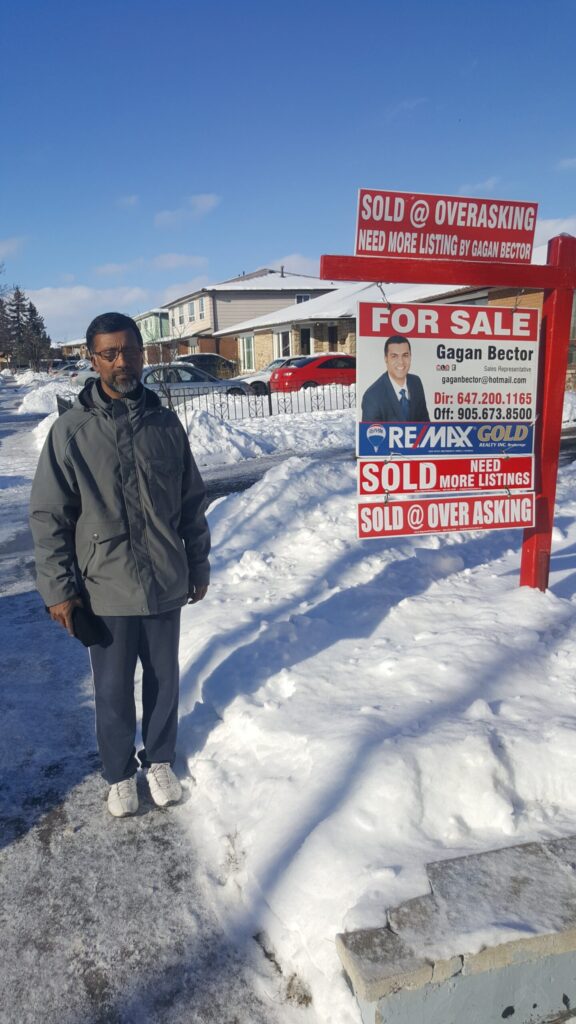
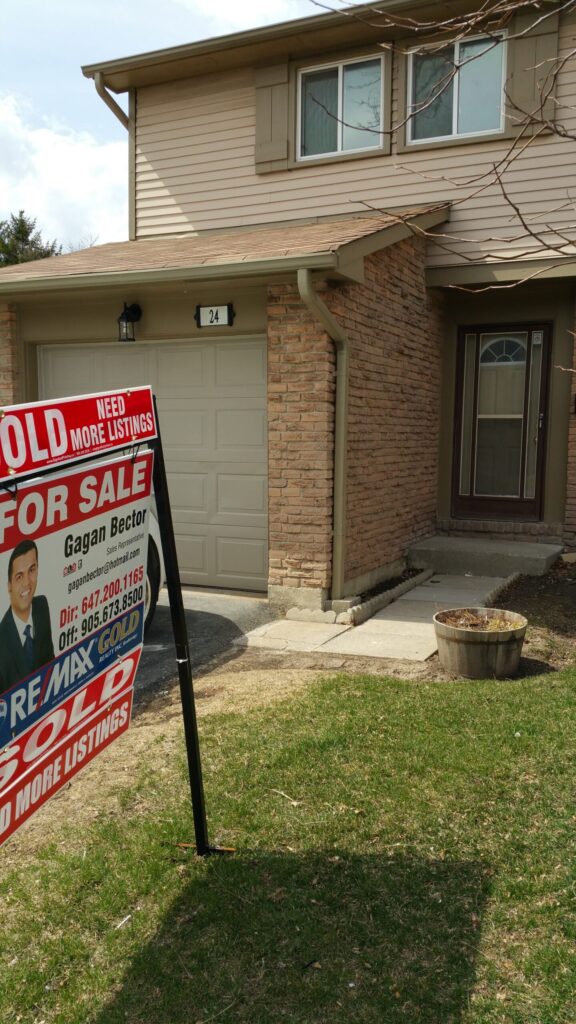
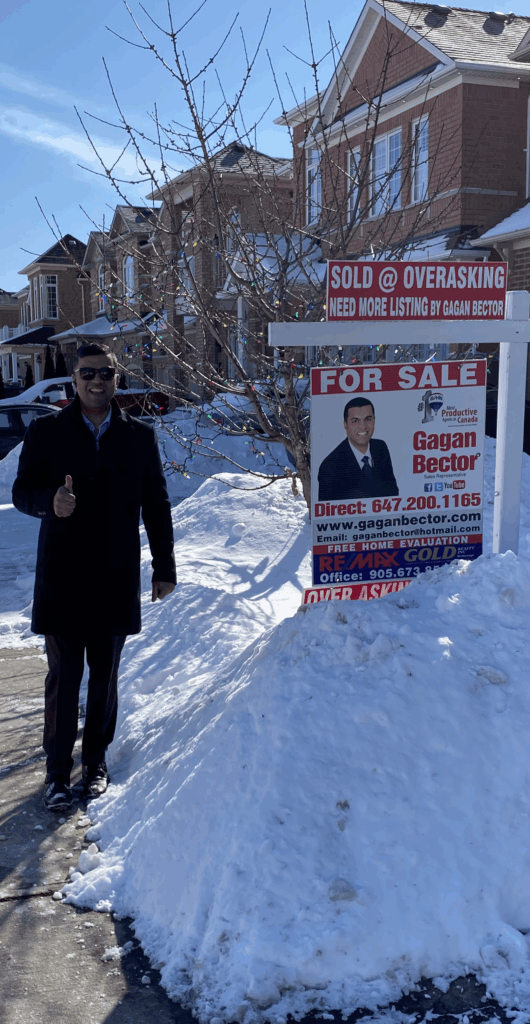
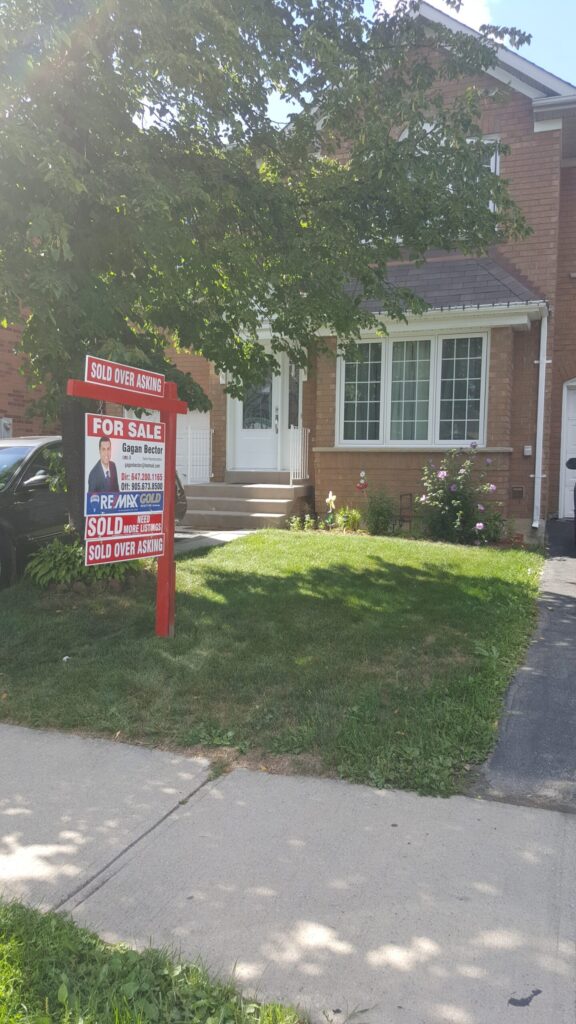
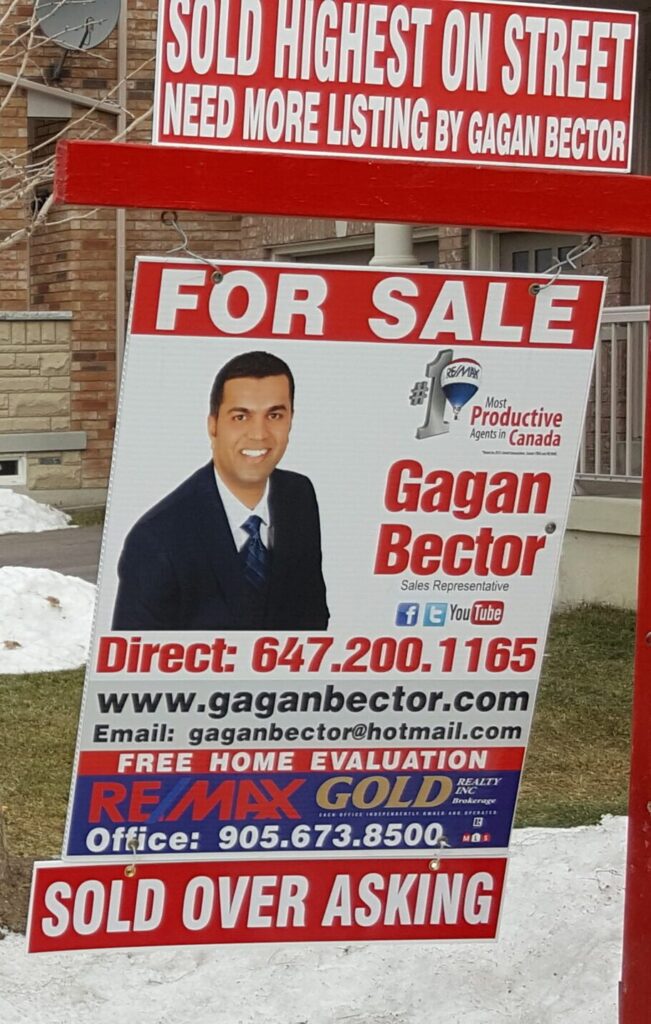
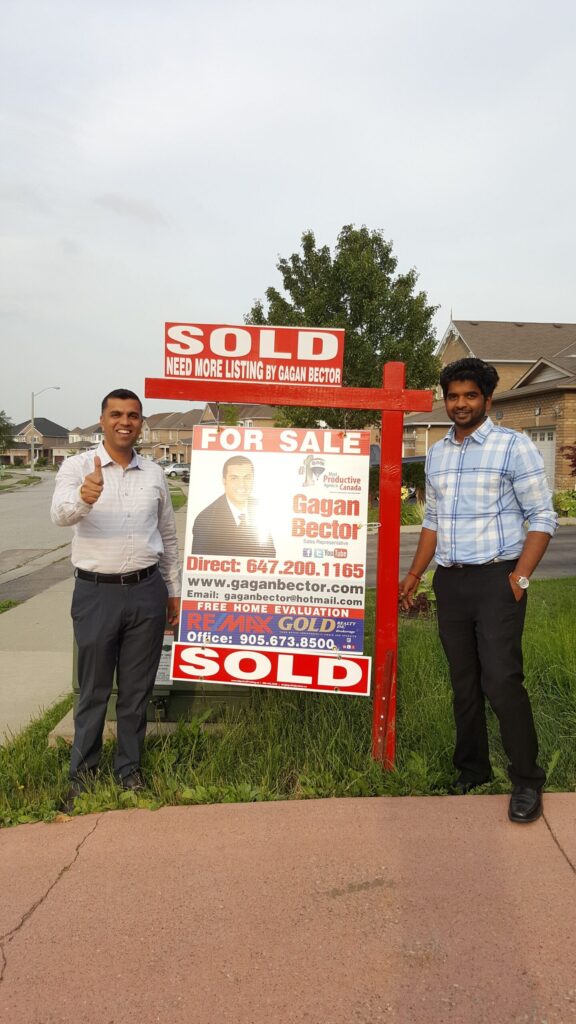
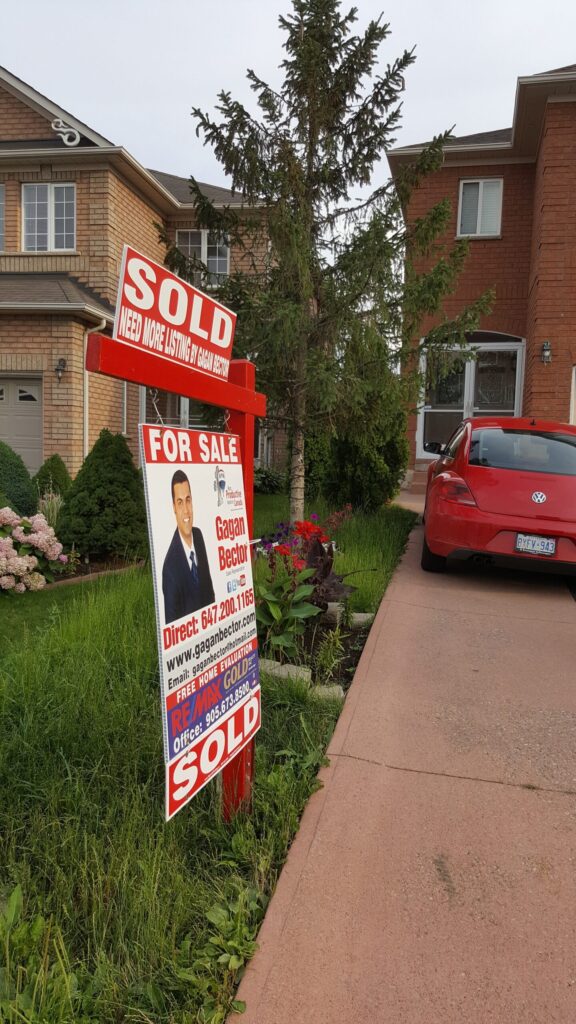
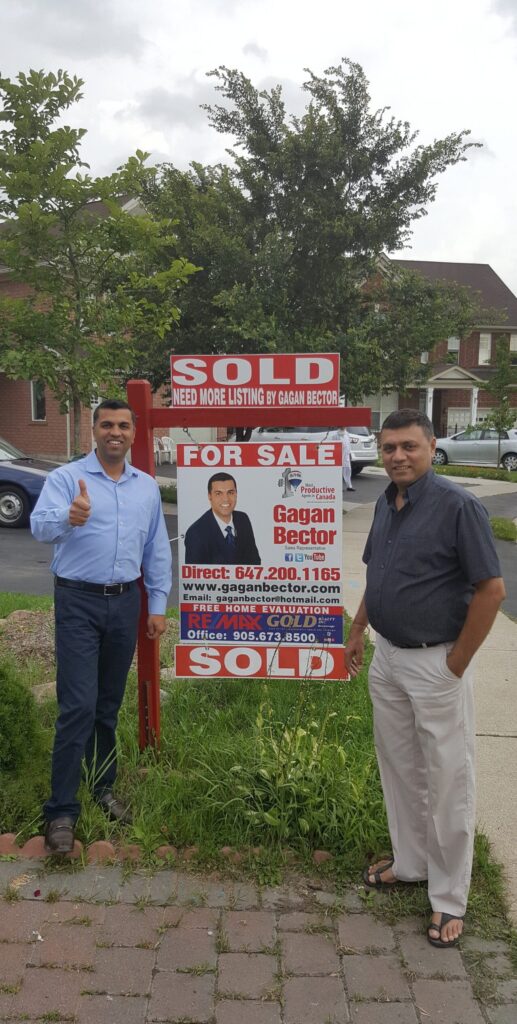
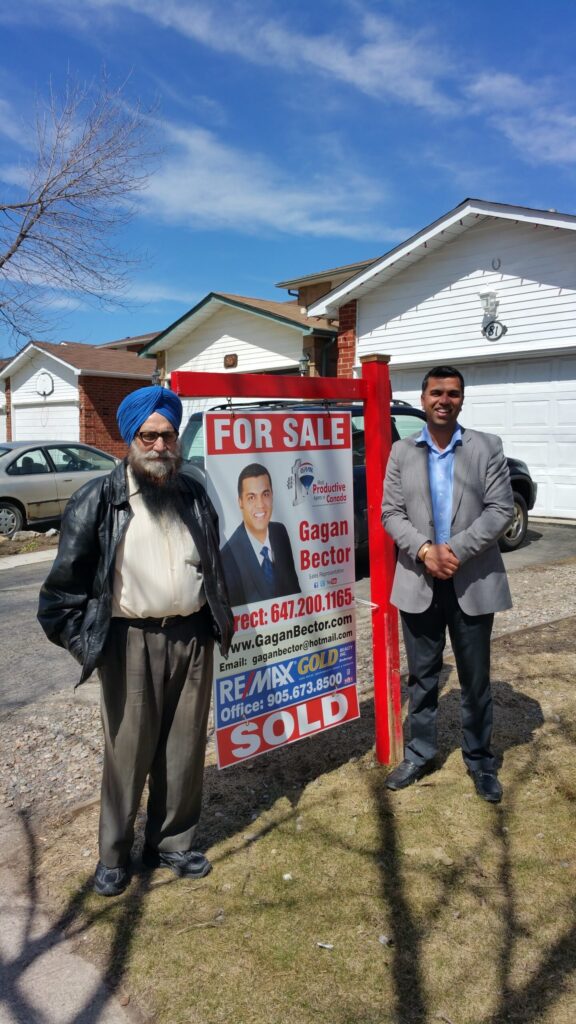
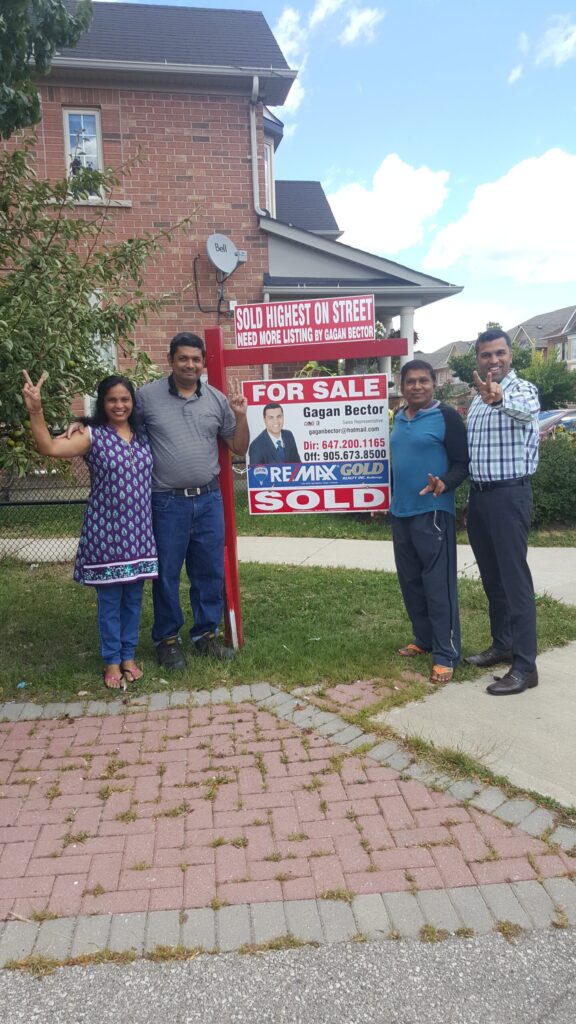
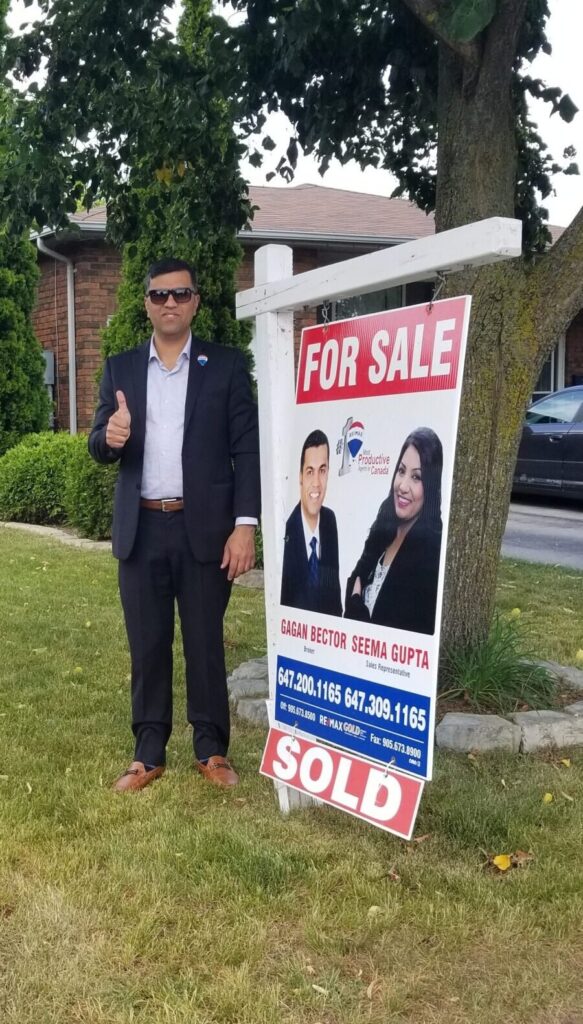
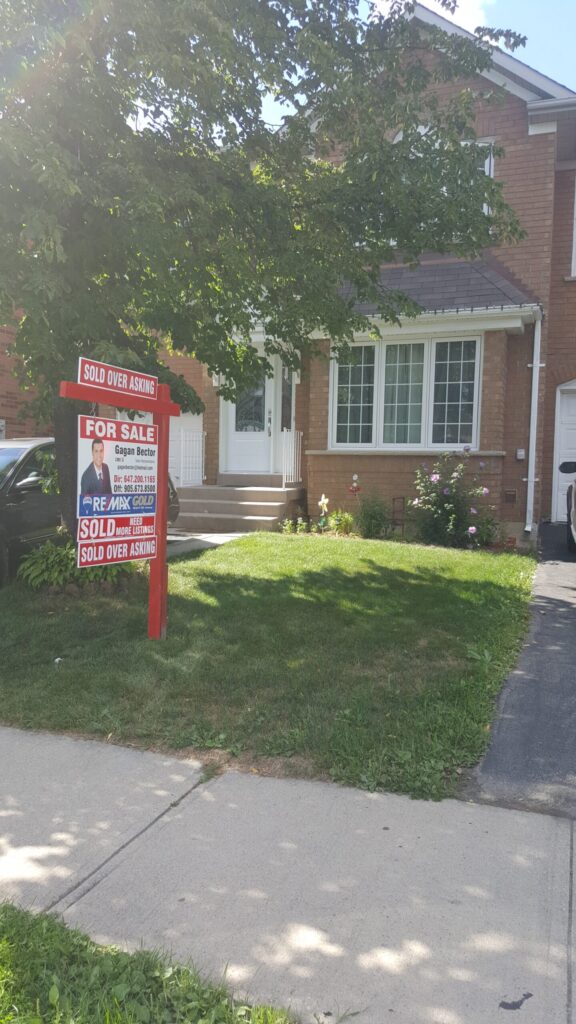
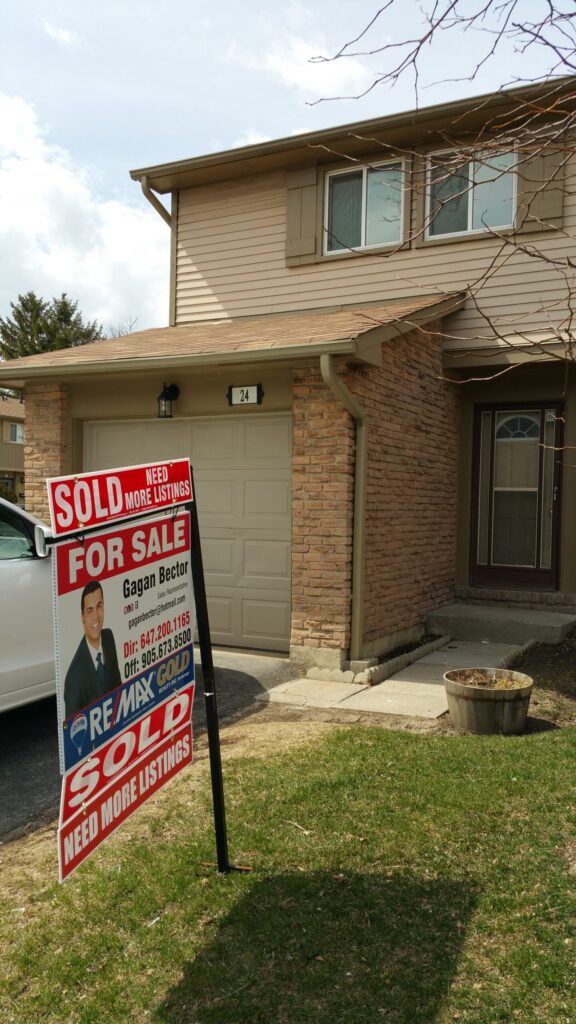
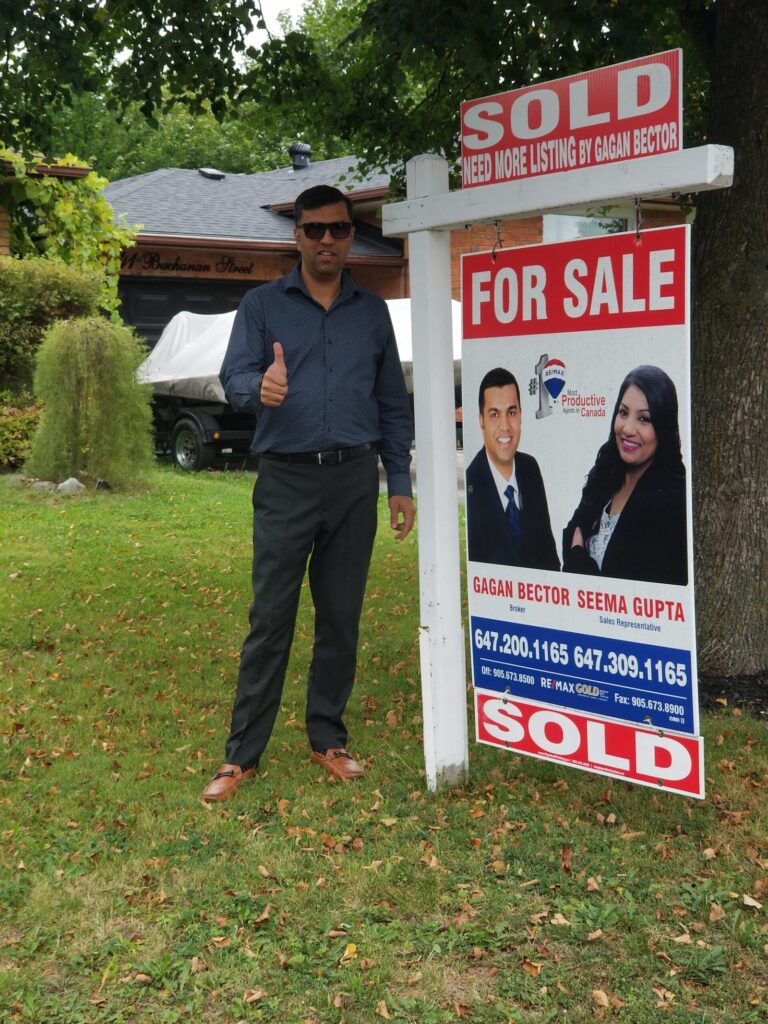
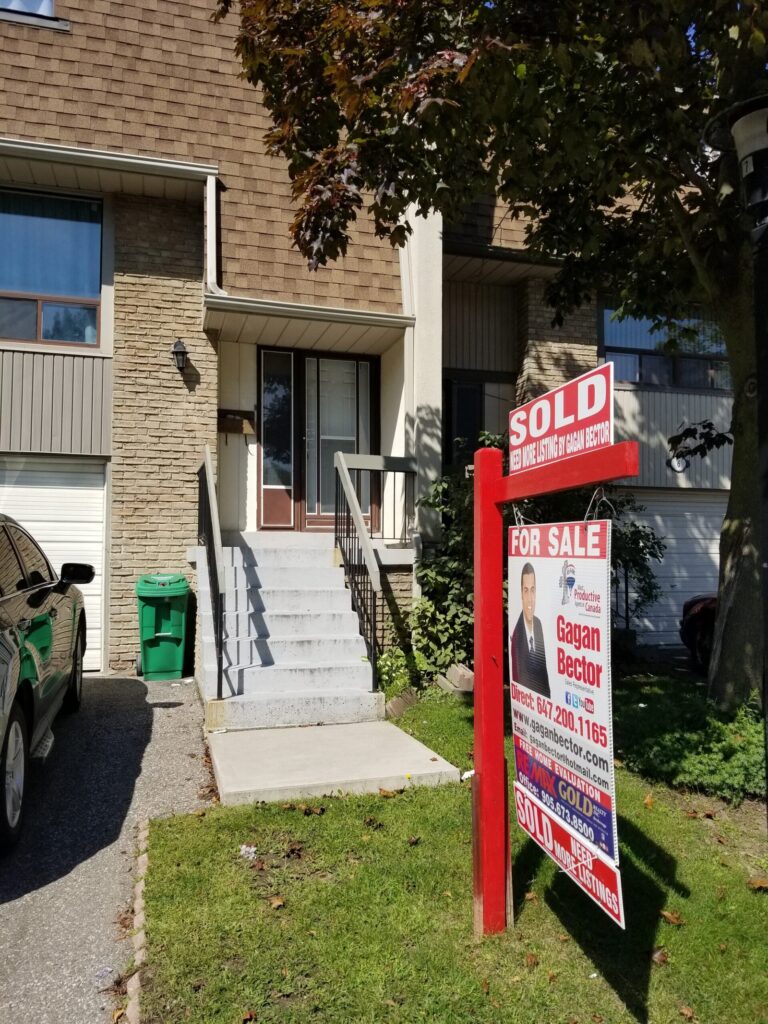
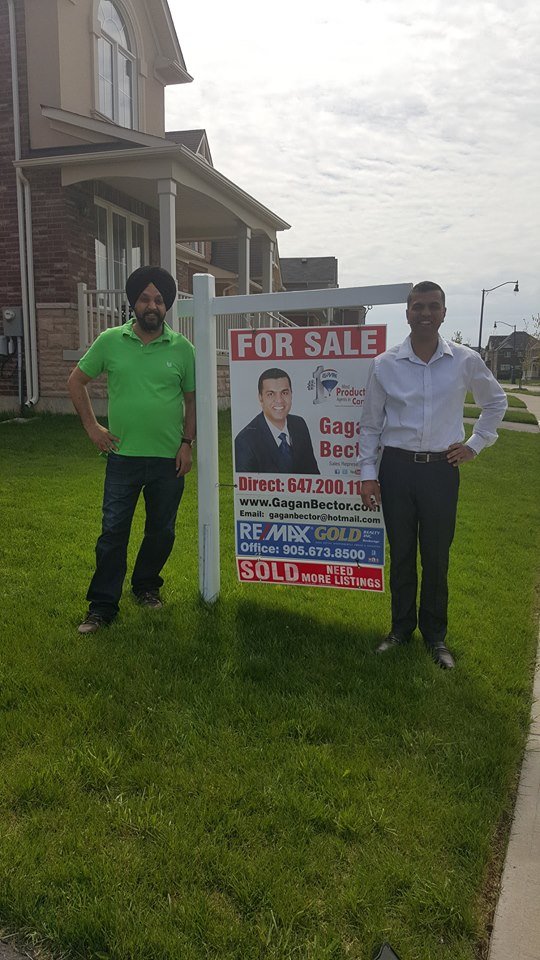
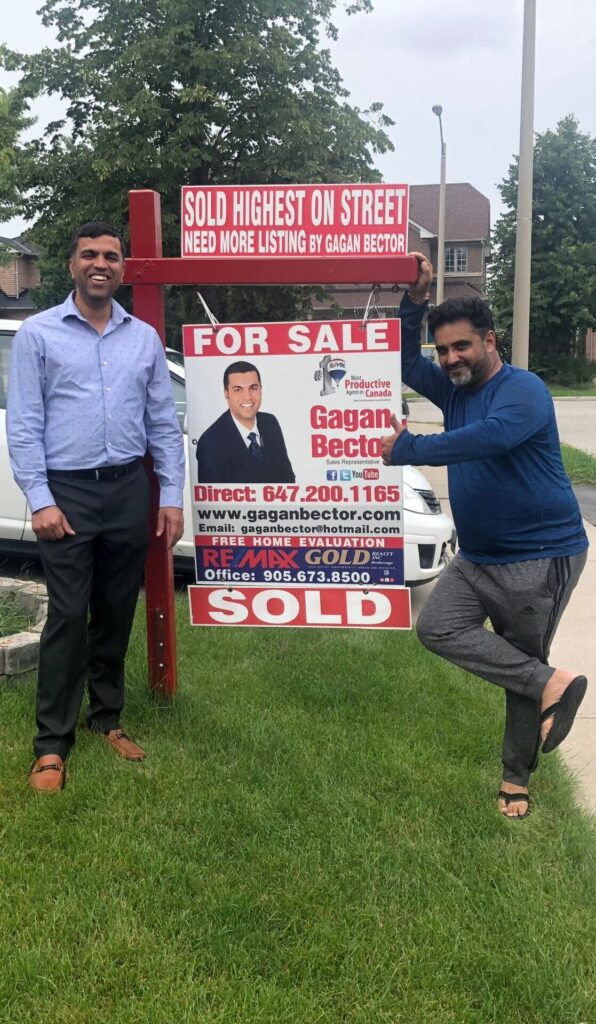
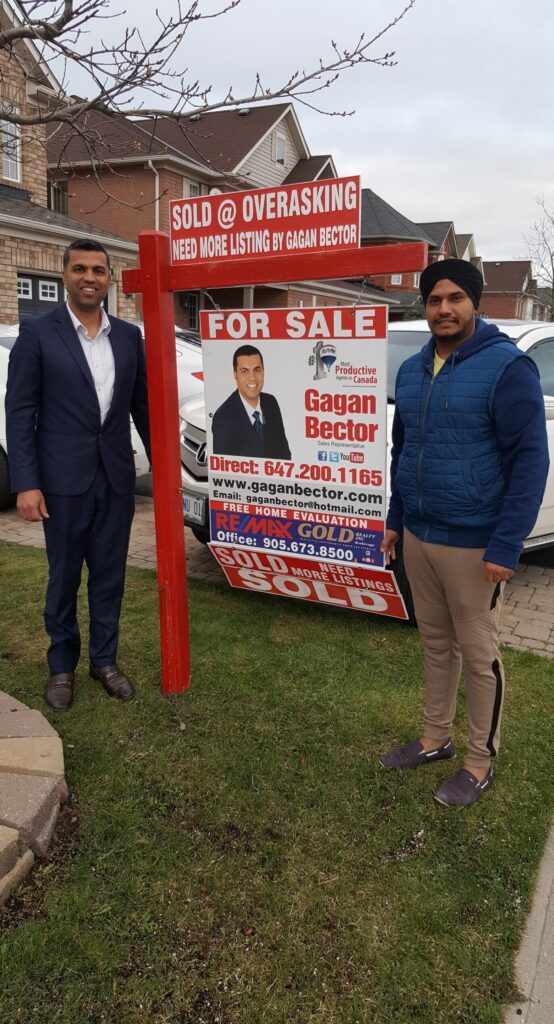
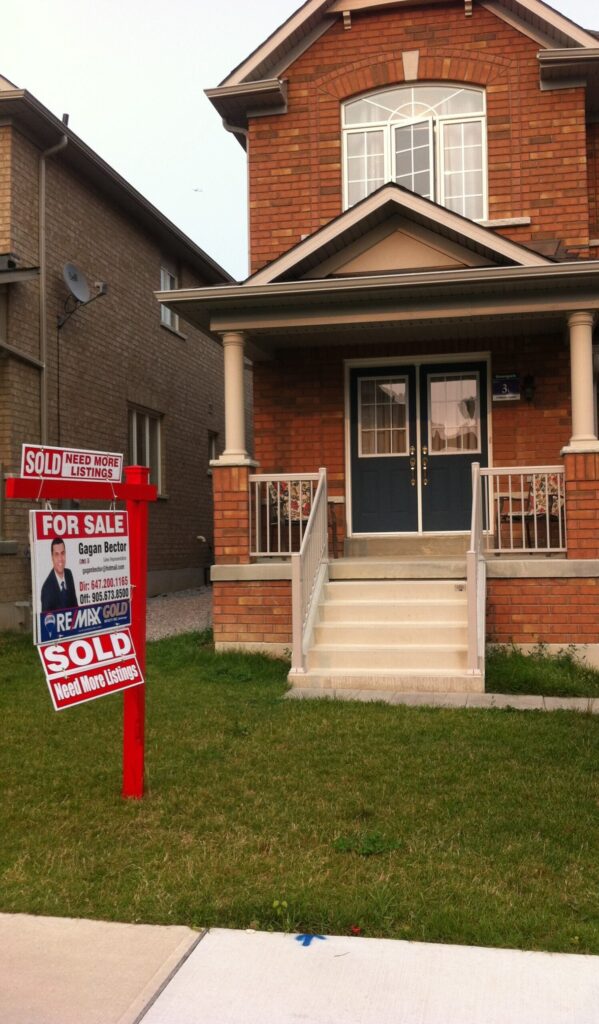
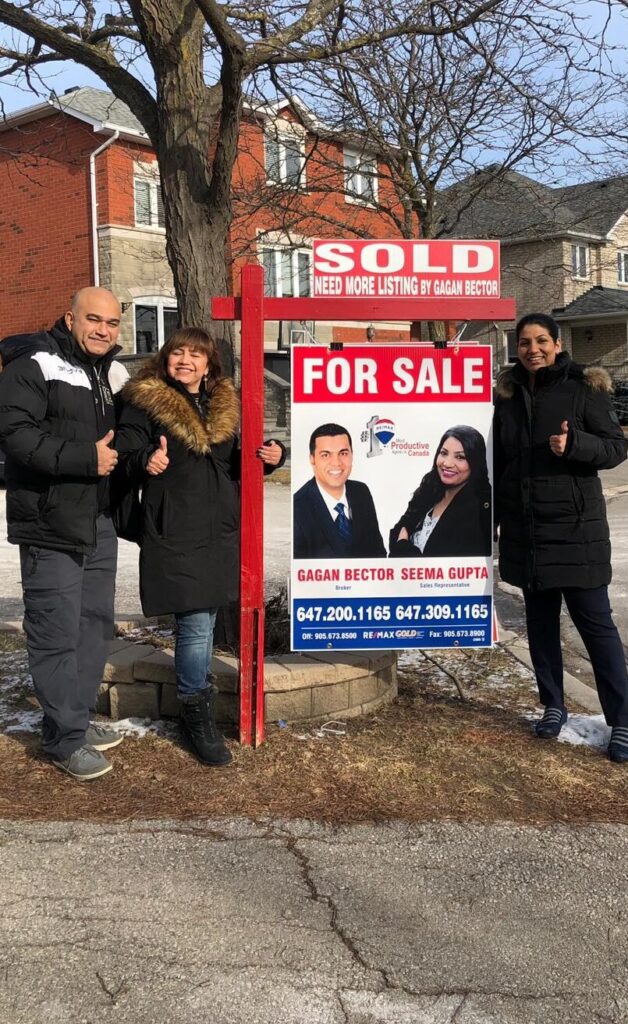
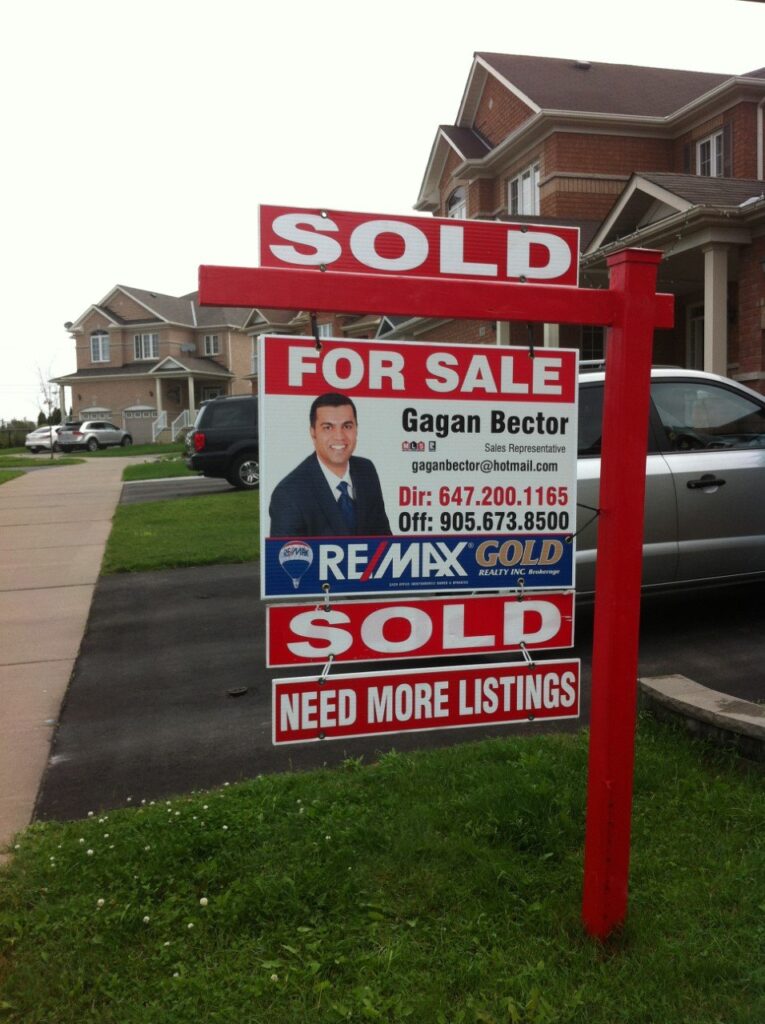
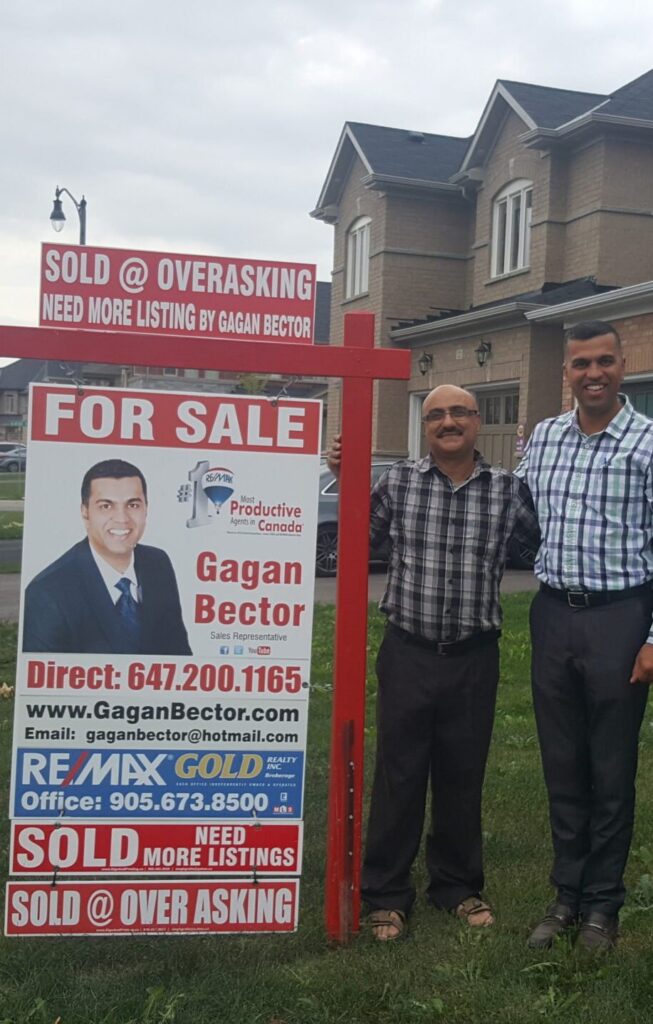
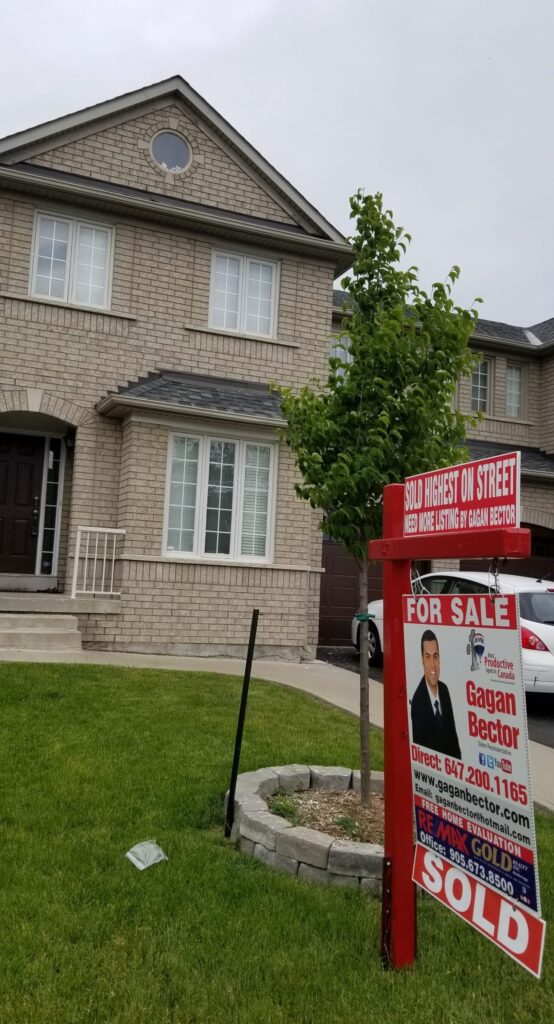
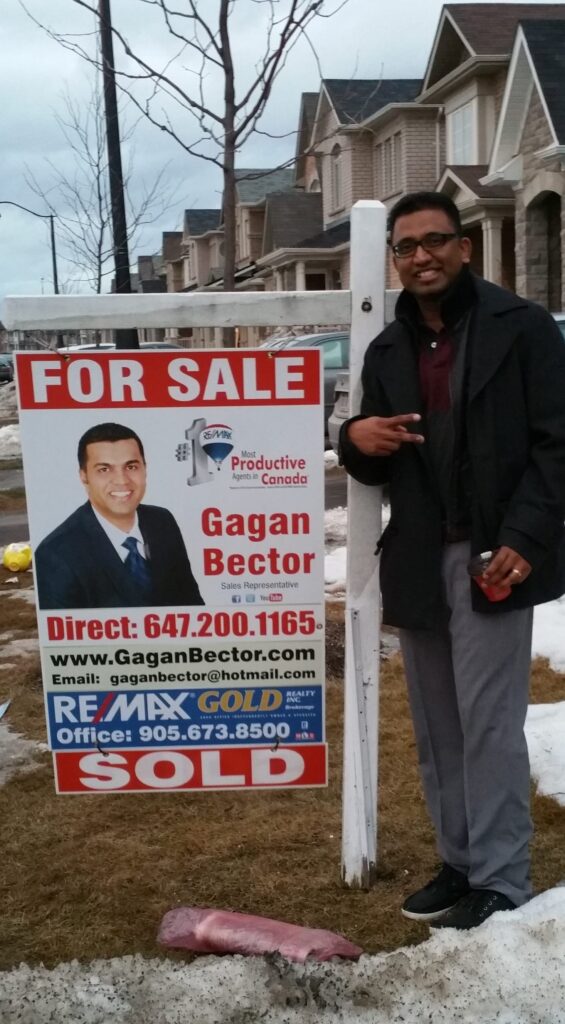
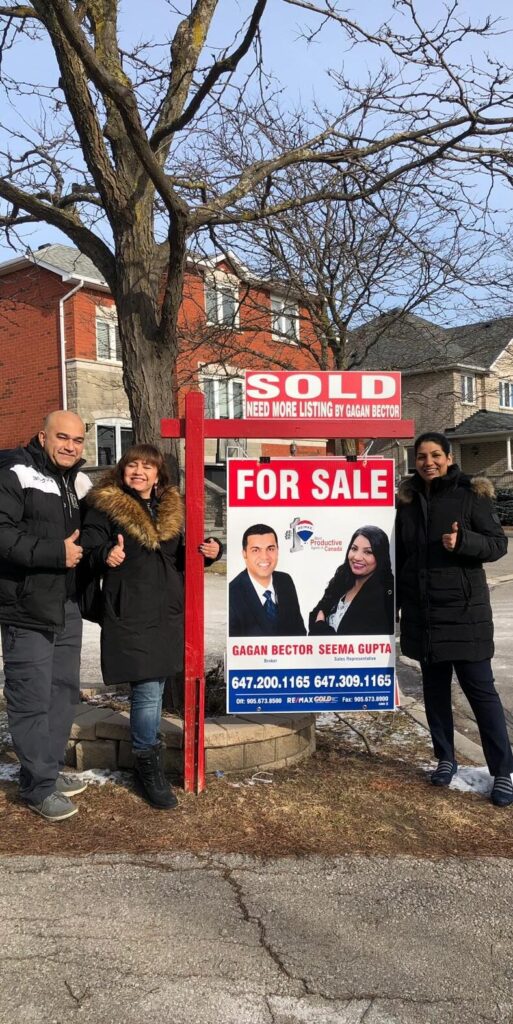
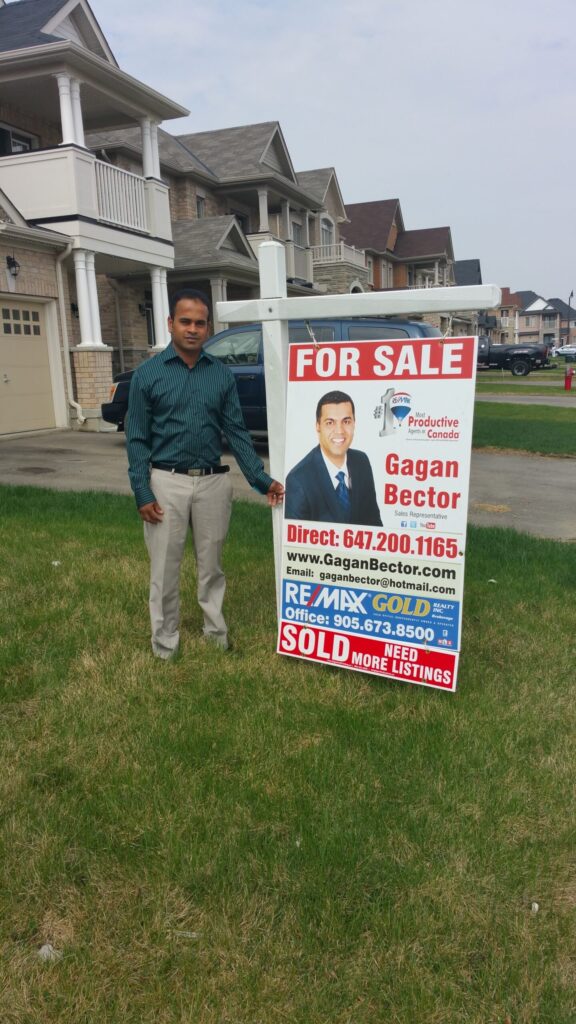
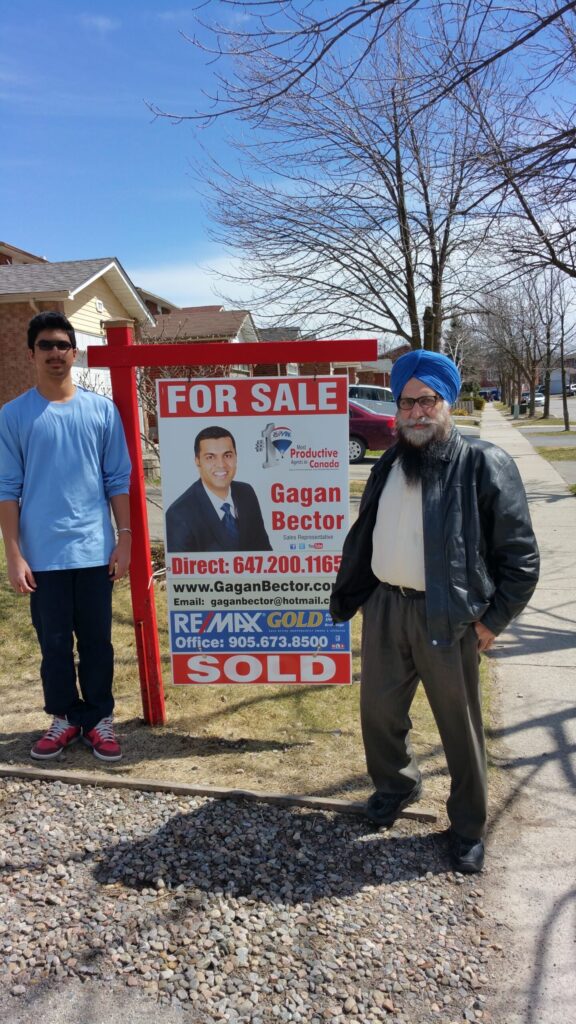
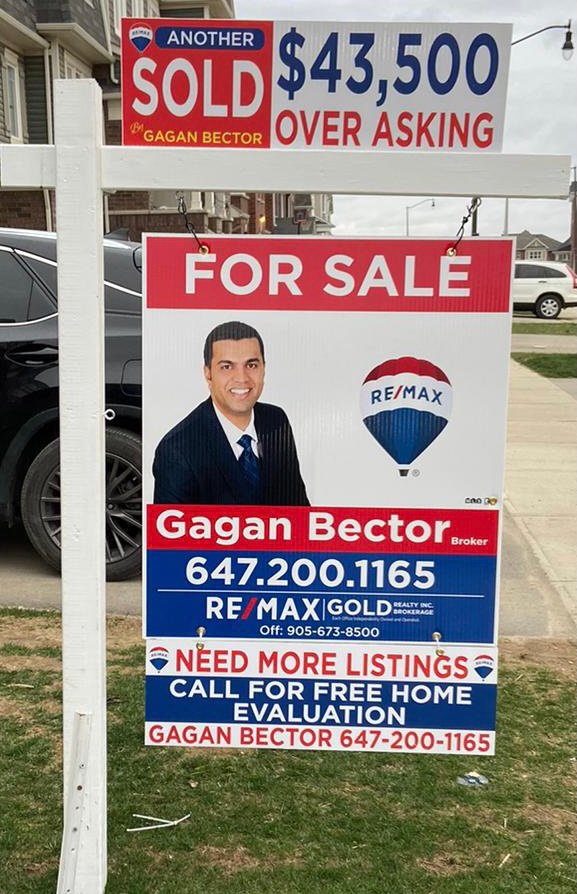
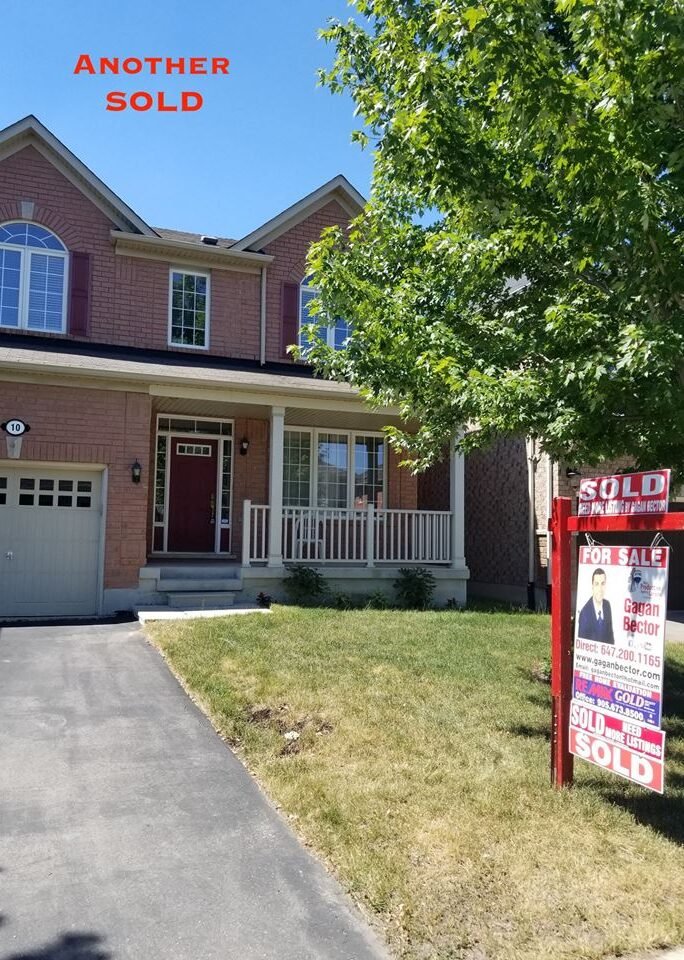
Homes Sold in Neighbourhood
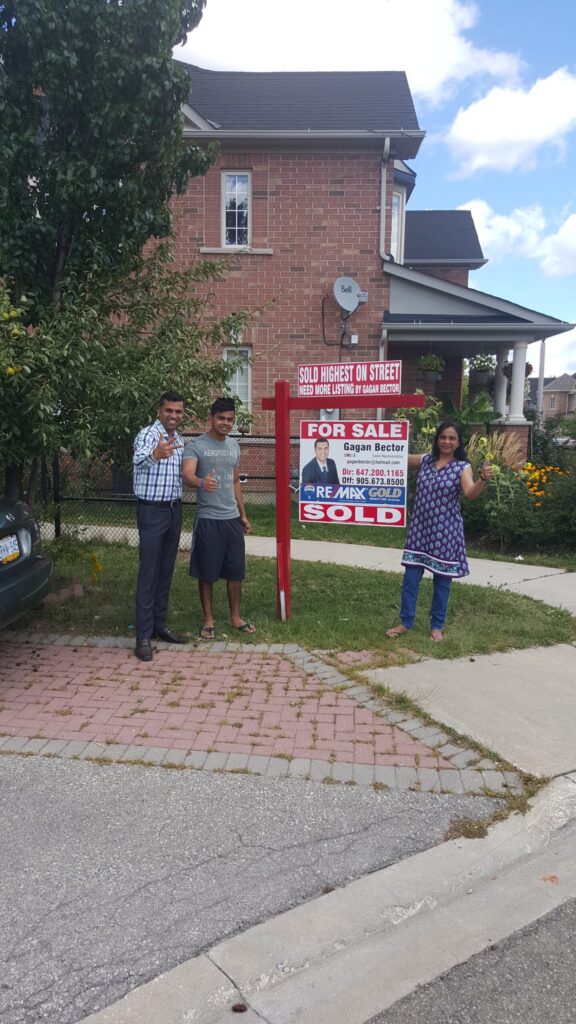
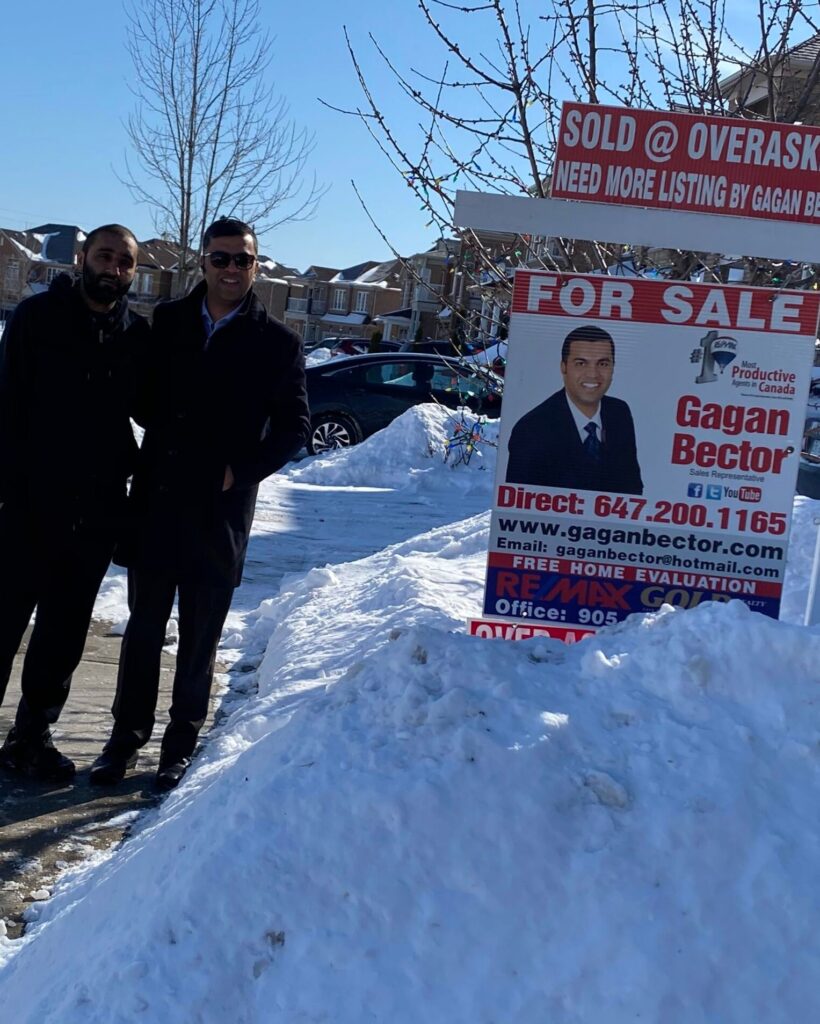

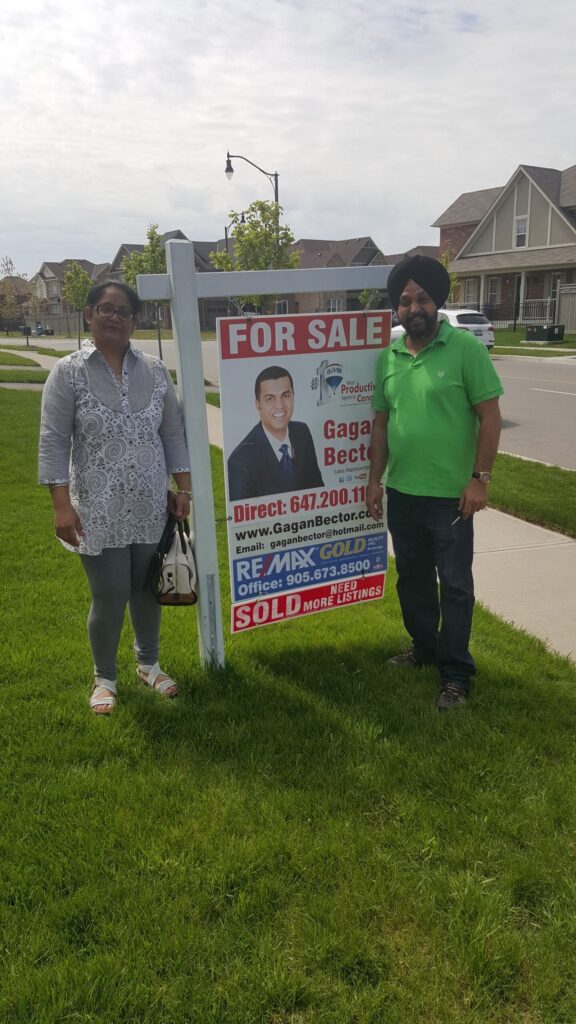
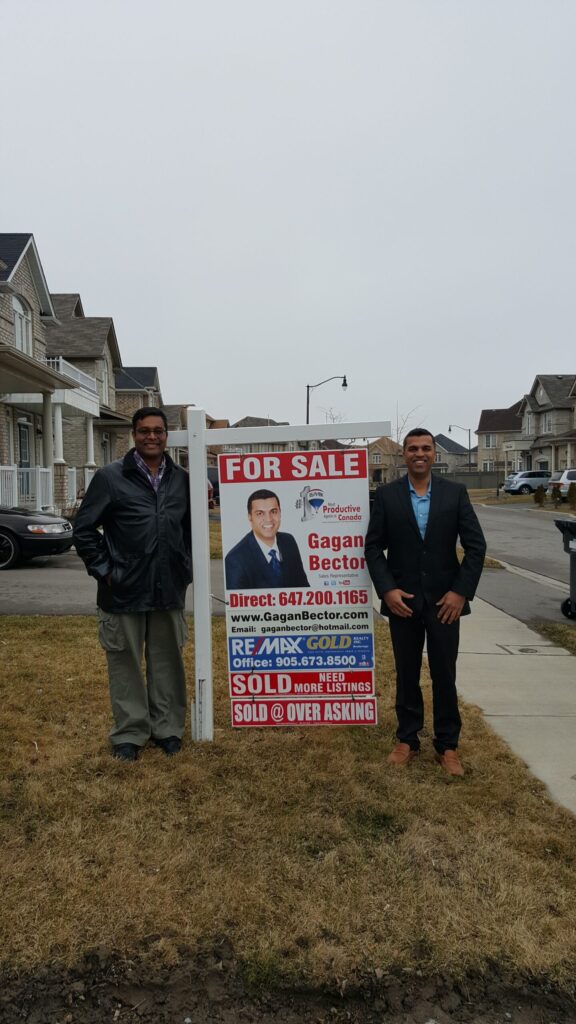

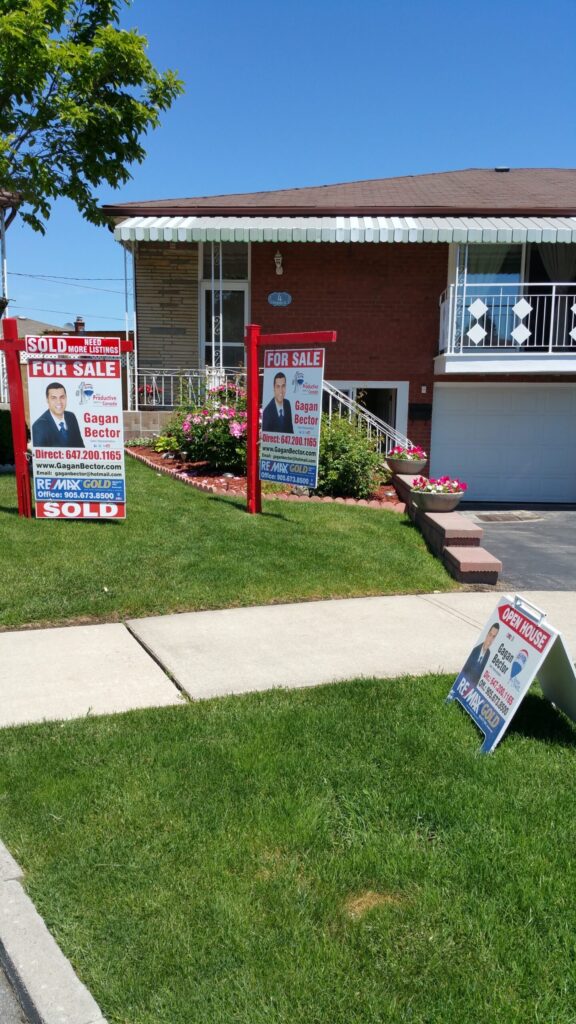
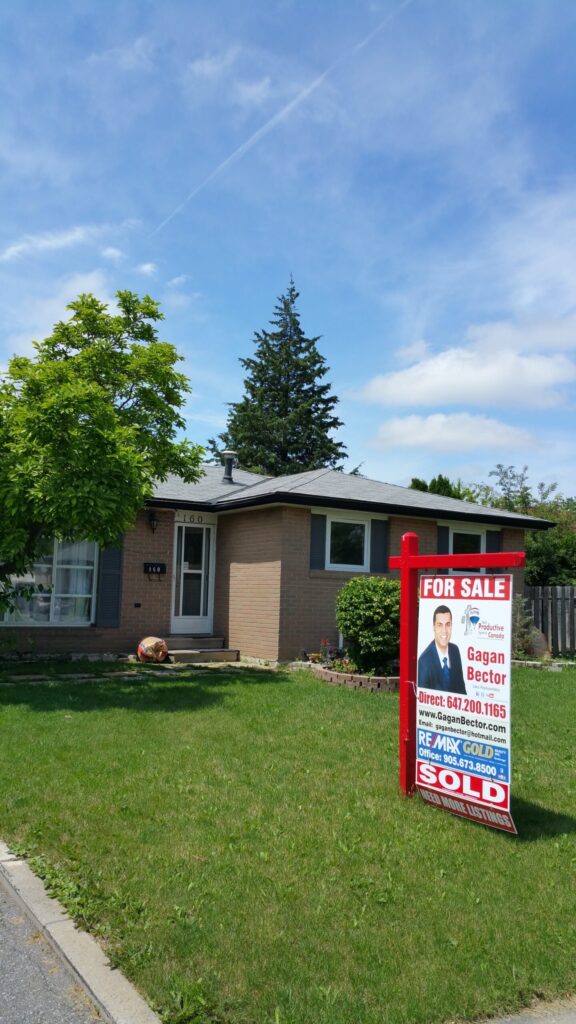
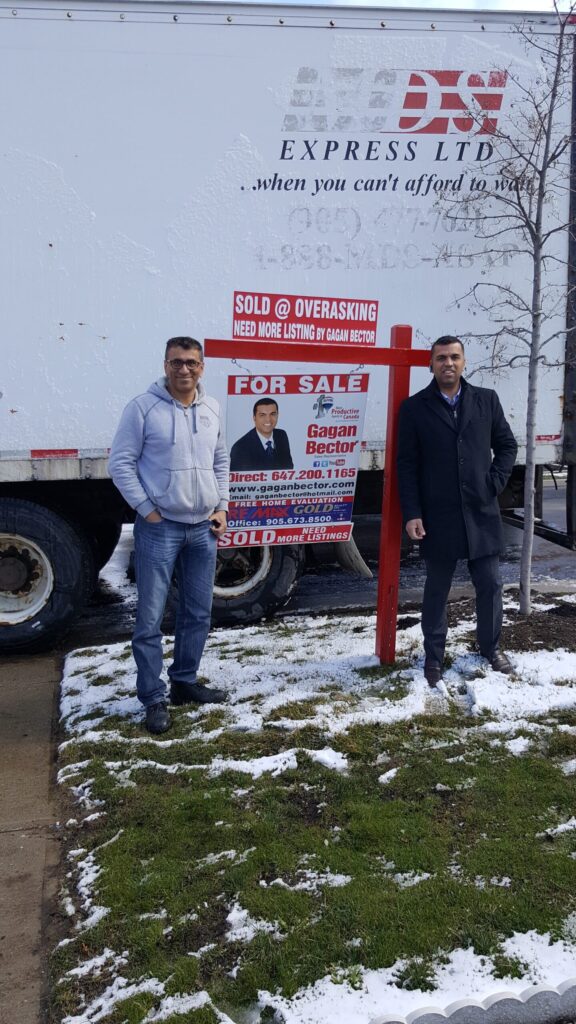
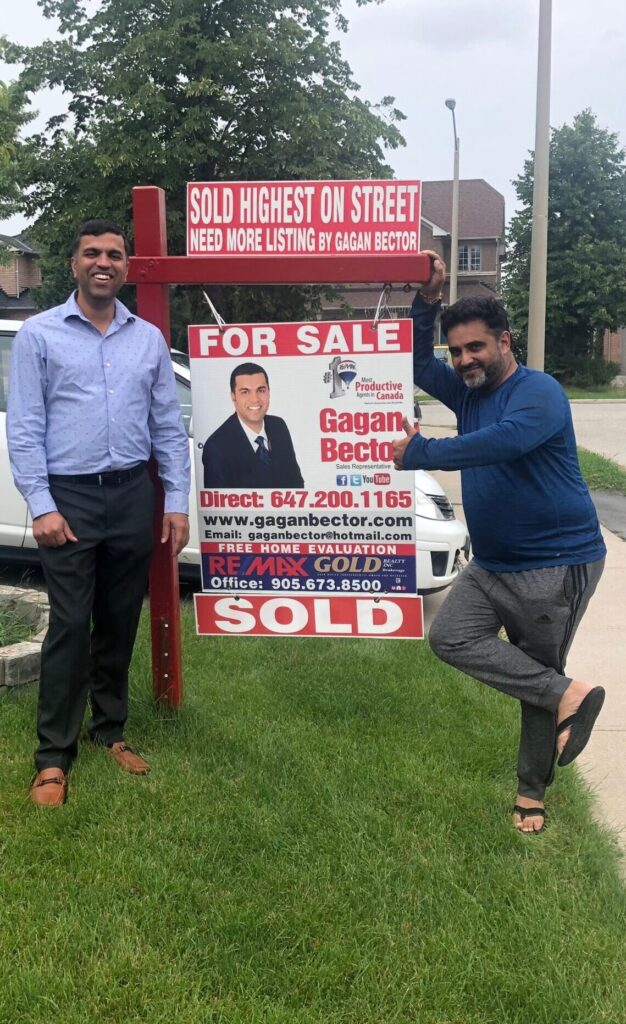
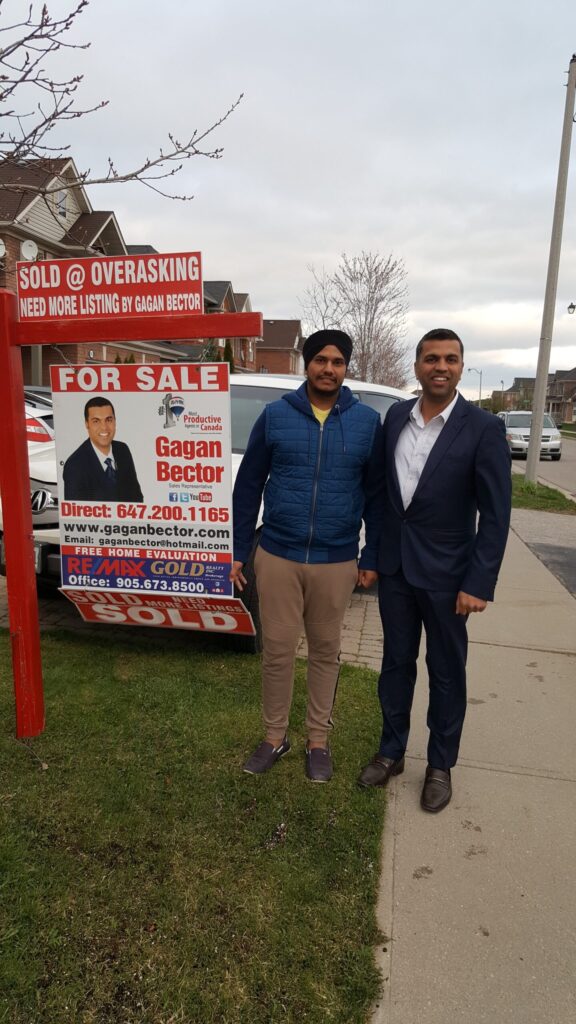
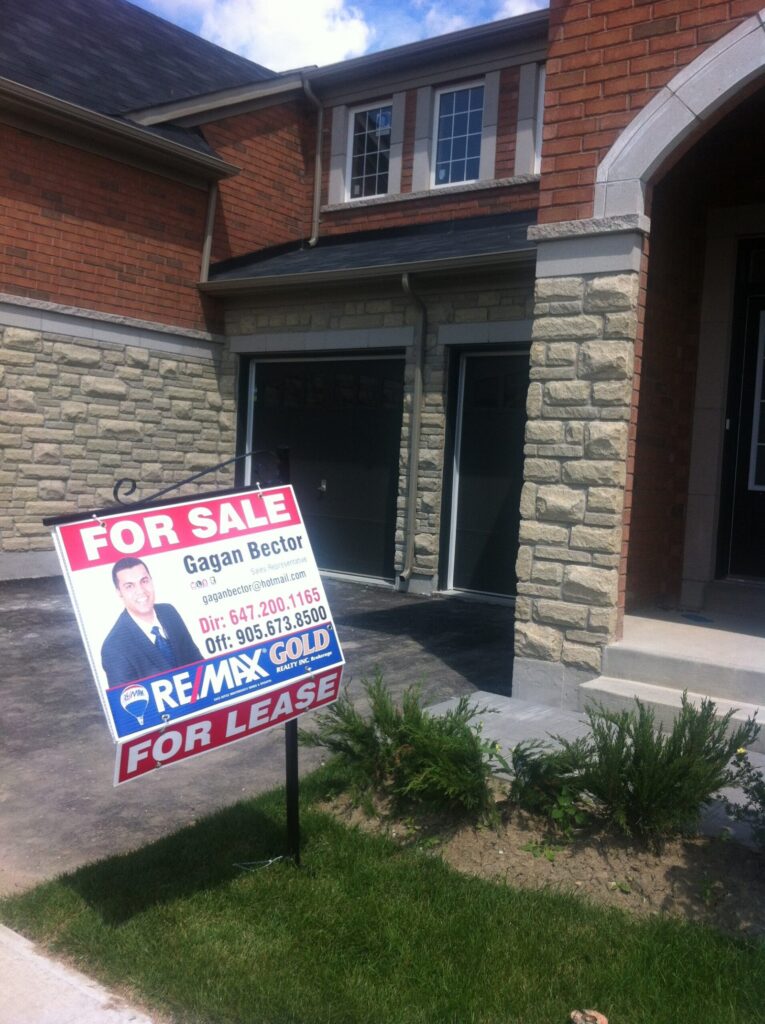


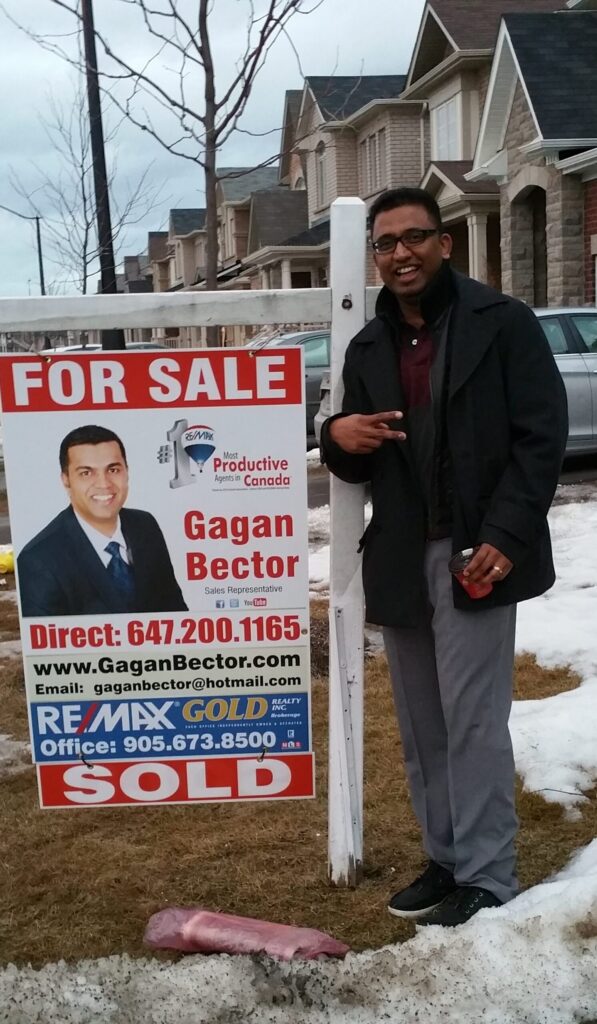
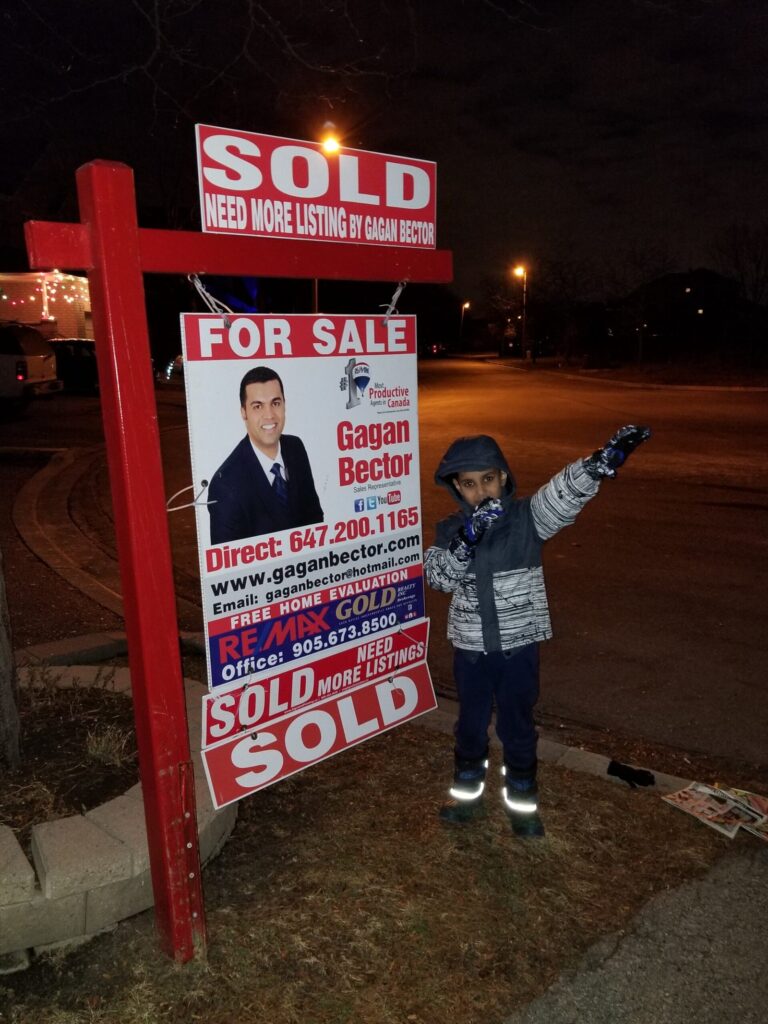
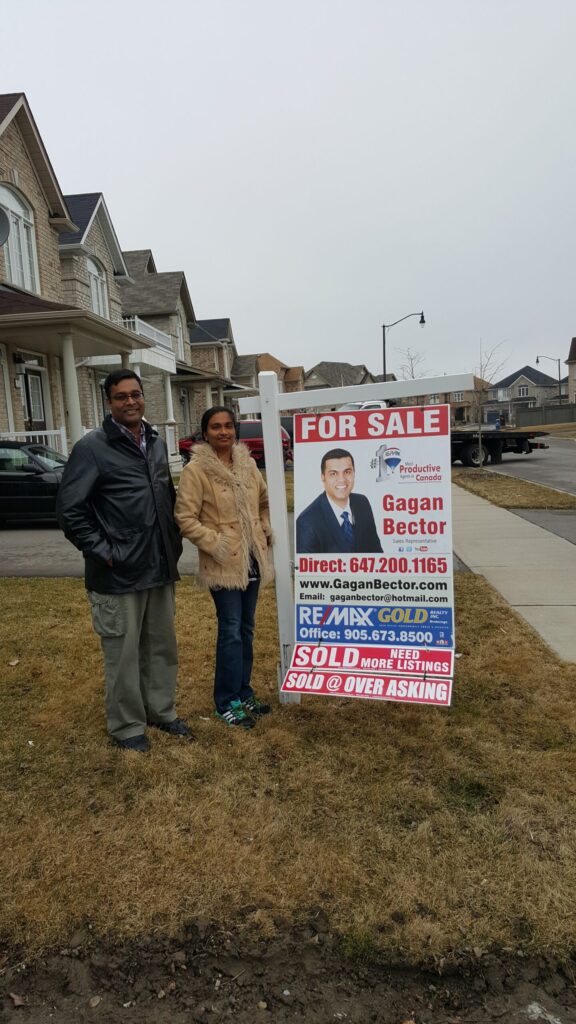


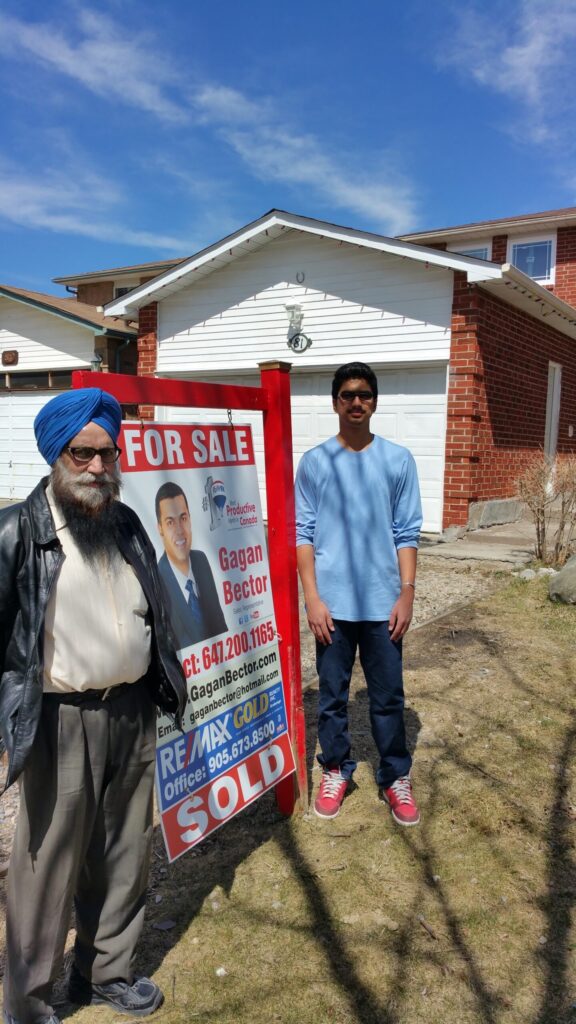
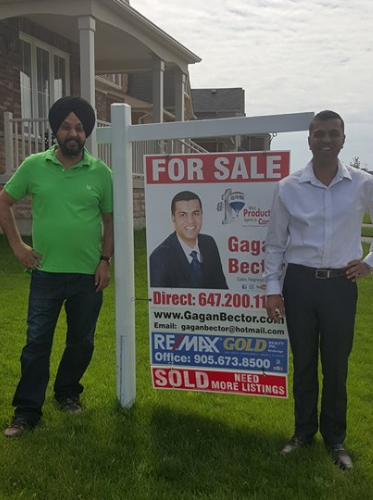
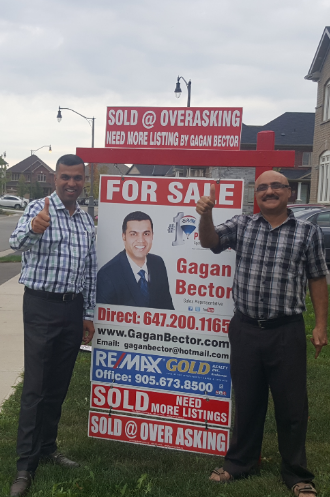
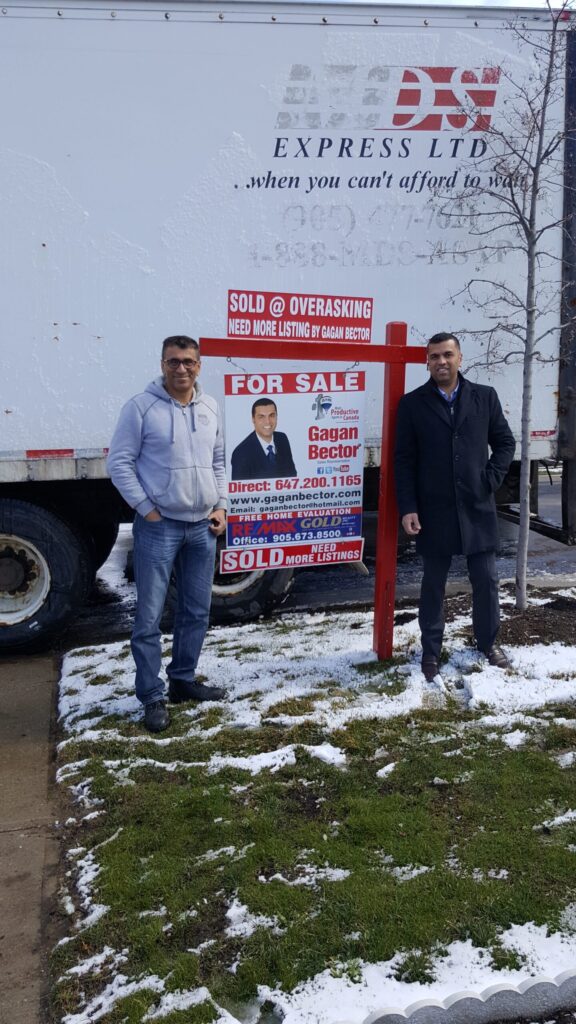
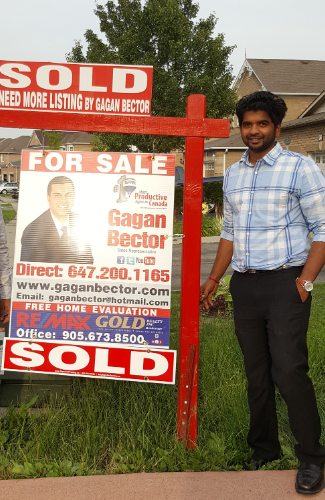

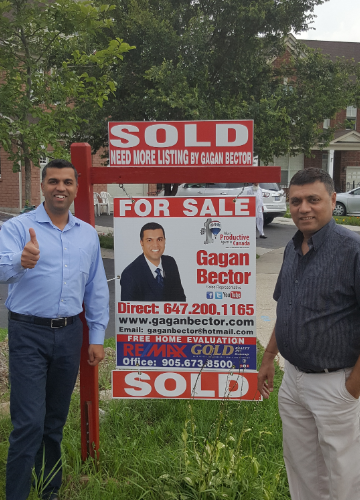
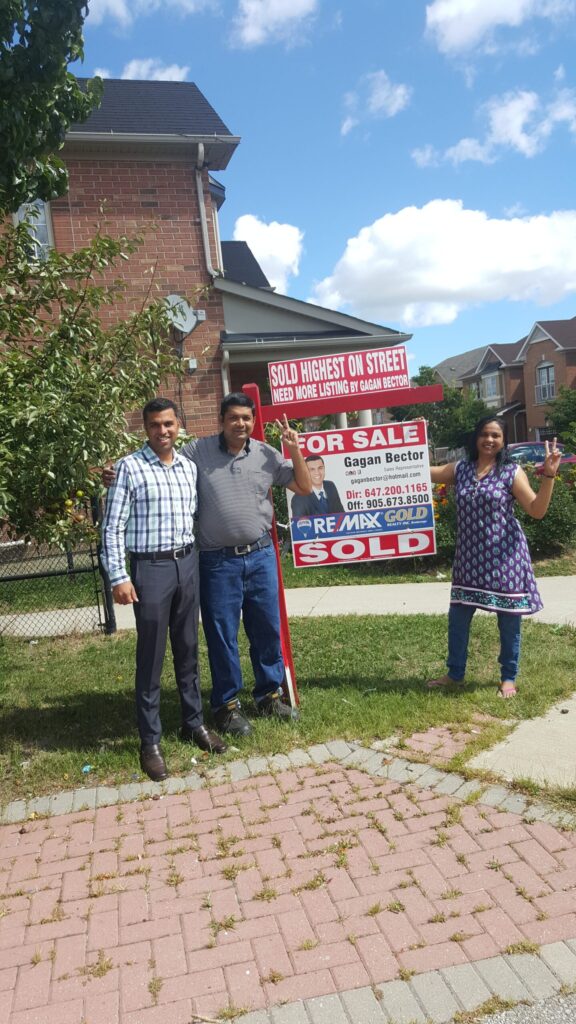
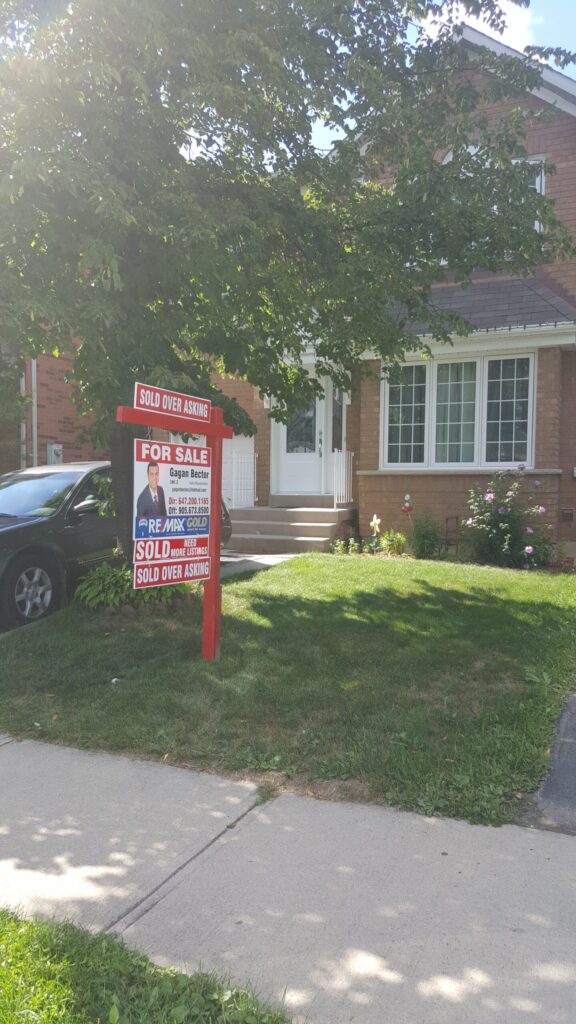
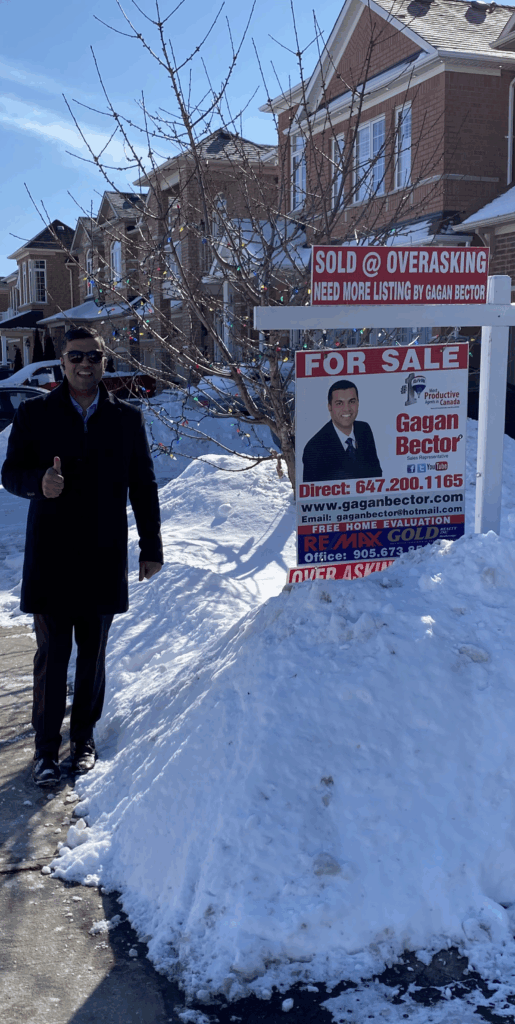
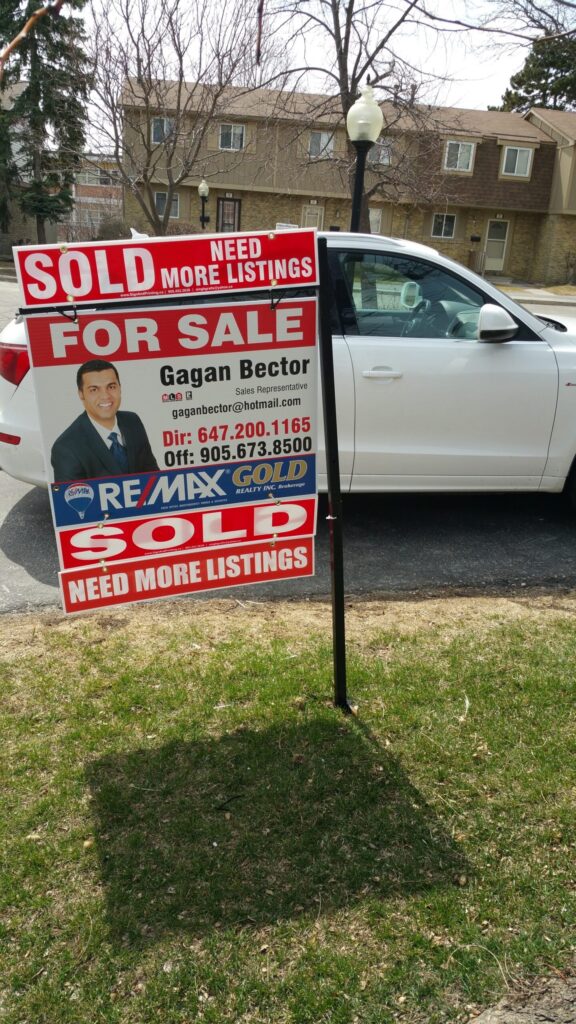
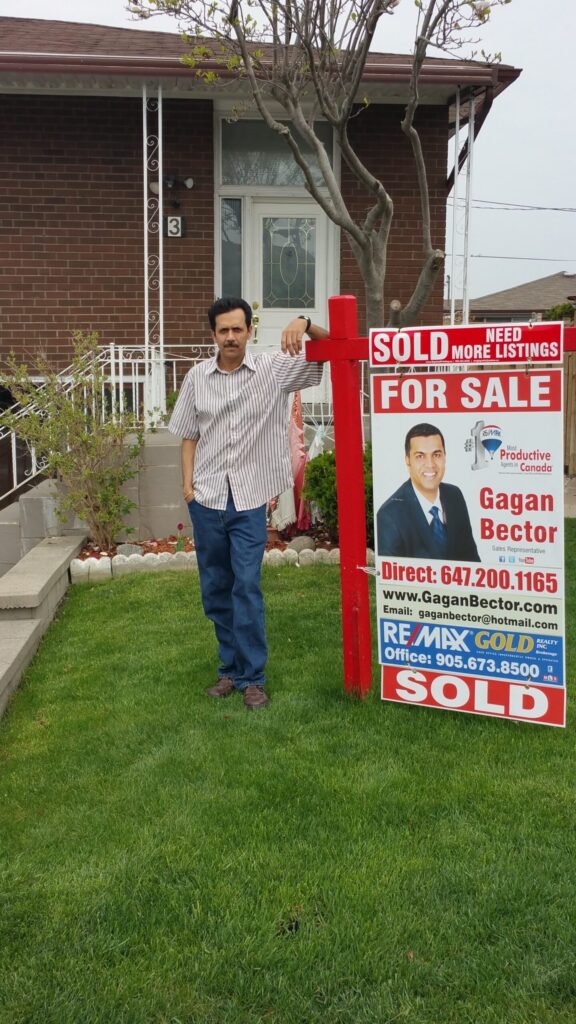
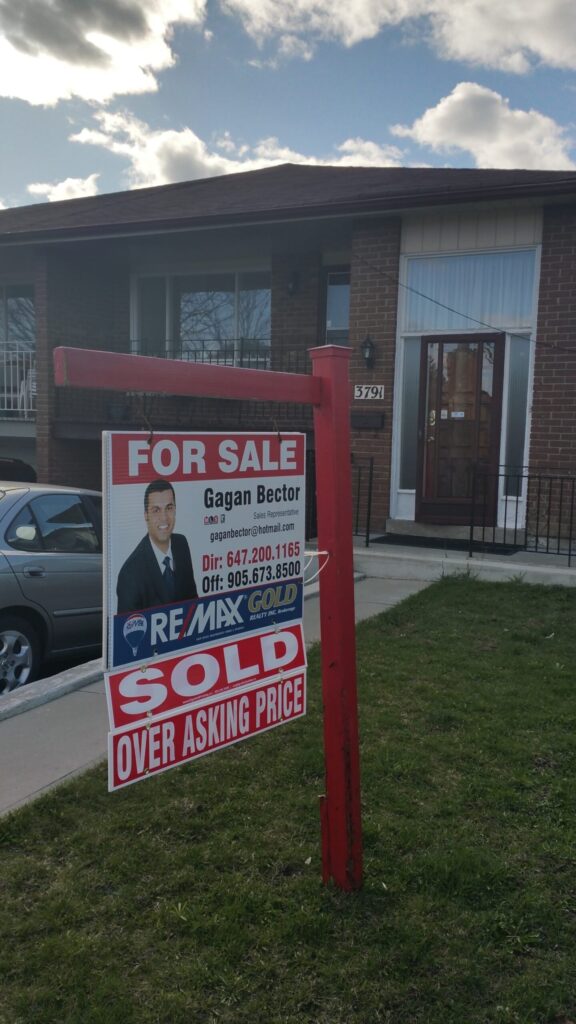
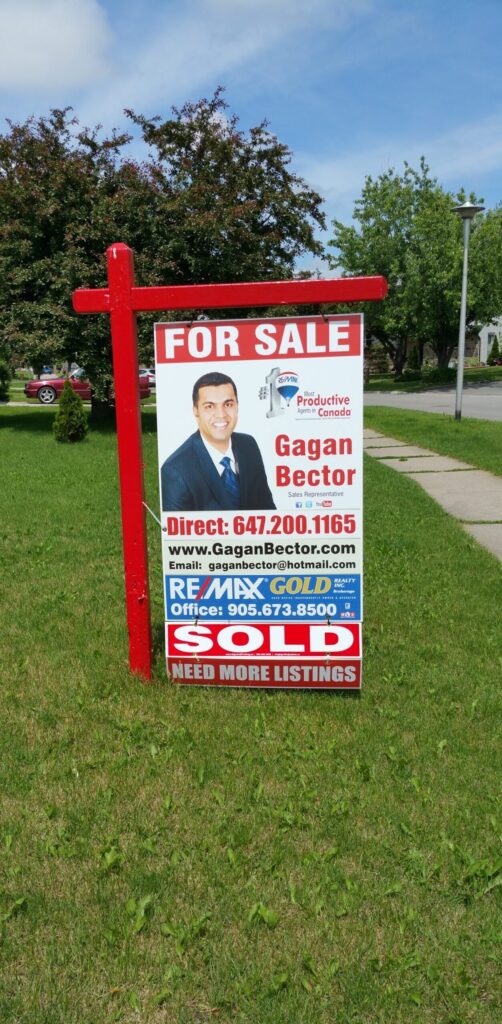
The Best Way to Value Your Home: Free Home Evaluation in Brampton & GTA
FREE HOME EVALUATION : Valuing your home accurately is crucial whether you’re planning to sell, refinance Home, or simply want to know your property’s worth. Here’s a detailed guide and on the best methods to determine your home’s value, considering various influencing factors. Free No Obligation.
Best Way to Value How Much Your House Is Worth
The most effective way to value your home is by comparing it with the sold prices of similar properties in your area. This method, known as Comparative Market Analysis (CMA), takes into account several key factors:
Location
Location is one of the most significant determinants of a home’s value. Factors such as proximity to schools, parks, public transportation, and shopping centers can greatly influence property values. To get an accurate estimate with Home Value Estimator , look at the prices of nearby properties with similar features.
Property Type
The type of property plays a crucial role in Home Value . In North America, detached and semi-detached homes generally have higher values compared to condo apartments and high-rises. Each property type appeals to different buyer segments and has unique market dynamics.
Size
The size of your home, including both the total square footage and the layout of the living spaces, is essential in determining its value. Ensure you differentiate between livable space and additional structures such as garages or balconies, as these are valued differently.
Age and Condition
Older homes typically have lower valuations due to higher maintenance and heating costs. Homes built in certain decades might also suffer from outdated building materials like asbestos or Poly-B plumbing, which can negatively impact value. Conversely, well-maintained older homes with historical or architectural significance can fetch higher prices.
Upgrades and Renovations
Modern upgrades and renovations can significantly boost your home’s value. Projects such as kitchen remodels, new bathrooms, or energy-efficient windows can offer high returns on investment. The National Association of Realtors (NAR) 2019 Remodeling Impact Report provides insights into the value added by various renovation projects.
Interest Rates
Interest rates directly affect buyers’ purchasing power. Lower interest rates allow buyers to afford more expensive homes with the same mortgage payment, potentially increasing your home’s value. Websites like WOWA.ca offer up-to-date mortgage rate comparisons to help you understand current market conditions.
Local Market Activity
Your home’s value is also influenced by the broader trends in your local real estate market. If the market is hot, with many buyers competing for limited inventory, prices will rise. Conversely, in a cooler market with more sellers than buyers, prices may drop. Regularly checking housing market reports can provide valuable insights into these trends.
Tools & Resources for Accurate Home Valuation
Home Value Estimator : To get an accurate home valuation with Home Value Estimator, consider using a combination of professional appraisals, online tools, and local market research.
Professional Appraisal
Hiring a licensed appraiser is one of the most accurate ways to determine your home value. An appraiser will conduct a thorough analysis of your property and provide a detailed report based on recent sales, property condition, and market trends.
Online Valuation Tools
Several online tools can give you a rough estimate of your home’s value. gaganbector.com Home Value Estimator use algorithms to analyze recent sales and other data points to estimate your home’s worth. While these tools are convenient, they may not always be precise, so use them as a starting point rather than a definitive value.
Bector Real Estate team
Our Real estate team can perform a Comparative Market Analysis (CMA) to help you understand your home’s value. we have access to the Multiple Listing Service (MLS), providing comprehensive data on recent sales, pending sales, and active listings in your area.
Free Home Value Calculators
Using a FREE HOME EVALUATION tool can give you a quick estimate of your home’s worth based on current market conditions. These calculators, which consider factors like location, size, and recent sales data.
Valuing your home accurately involves considering various factors, including location, property type, size, age, condition, upgrades, interest rates, and local market activity. By using a combination of professional appraisals, online tools, and real estate agents’ expertise, you can obtain a comprehensive understanding of your home’s market value.
For a free home value estimate, you can use the gaganbector.com Home Value Calculator, which provides an easy and quick way to get an approximate valuation based on recent sales and market trends in the Greater Toronto Area. Stay informed and make the best decisions regarding your property by regularly monitoring these factors and utilizing available resources.
Comparative Market Analysis (CMA) vs. Online Computer Estimators
Many homeowners start by checking automated online algorithms (like HouseSigma, Zillow, or municipal property tax assessments like MPAC). While automated valuation models (AVMs) provide a rough baseline, they frequently miss the mark by $30,000 to $75,000+ in Ontario’s fast-moving market.
Why Online Algorithms Fall Short:
- They cannot see interior finishes: An algorithm treats a builder-basic home the same as a home with a $100,000 custom chef’s kitchen, quartz waterfall island, and hardwood floors.
- They miss legal basement apartments & separate entrances: In Brampton and Mississauga, an income-generating secondary dwelling significantly impacts real buyer value.
- They overlook micro-location nuances: Ravine lots, quiet cul-de-sacs, school catchment boundaries, and backing onto commercial plazas dramatically shift buyer demand within the exact same postal code.
A professional Comparative Market Analysis (CMA) prepared by Gagan Bector analyzes actual registered sales, pending transactions, active competition, and buyer absorption rates to pinpoint the exact maximum price your home can achieve in today’s market.
What Does It Actually Cost to Sell a House in Ontario?
Knowing your expected sale price is only half the equation—you need to know your net in-pocket proceeds. When selling real estate in Brampton, Mississauga, and the Greater Toronto Area, standard closing costs include:
- Real Estate Commission: Typically 4% to 5% of the final sale price, split between the listing brokerage and the buyer’s cooperating brokerage (+ 13% HST).
- Legal Fees & Disbursements: Usually ranges between $1,200 and $2,000. Your real estate lawyer clears title, coordinates mortgage payouts, and handles final closing adjustments.
- Mortgage Discharge & Prepayment Penalty: If paying off your mortgage before the term expires, your lender may charge a discharge fee ($200–$400) and an early prepayment penalty.
- Great News for Sellers: In Ontario, Land Transfer Tax is paid entirely by the BUYER, not the seller! As a seller, you pay $0 in provincial or municipal land transfer tax.
Top 5 High-ROI Pre-Sale Fixes to Maximize Your Sale Price
Before putting your home on the MLS, spending tens of thousands on major renovations is rarely necessary. Focus on high-return, cost-effective updates that deliver $2 to $3 in value for every $1 invested:
- 1. Fresh Neutral Paint: Repainting bright or dated walls in warm modern neutrals (like Benjamin Moore Chantilly Lace or Swiss Coffee) provides up to a 200% ROI.
- 2. Professional Staging & Decluttering: Staged homes in the GTA sell on average 73% faster and for 1% to 5% more than unstaged properties.
- 3. Modern Lighting & Hardware: Swapping outdated brass fixtures, yellow bulbs, and cabinet handles for modern matte black or brushed nickel instantly modernizes a space.
- 4. Curb Appeal & Front Entrance: Power-washing, fresh mulch, exterior door paint, and clean house numbers create a lasting first impression.
- 5. Deep Cleaning & Odour Elimination: Clean windows, spotless grout, and refreshed carpets make buyers feel the home has been meticulously cared for.
Frequently Asked Questions by Home Sellers in Brampton & GTA
How is my home’s market value determined?
Your home’s market value is determined through a Comparative Market Analysis (CMA). We evaluate recent sold prices of similar properties within your immediate neighborhood (adjusting for square footage, lot size, bedroom/bathroom count, finished basements, and upgrades), current active competition, and prevailing mortgage interest rates.
Is this home evaluation really 100% free with no obligation?
Yes, 100%. There is zero obligation to list your home or sign any agreement. Our evaluation provides you with accurate, actionable market intelligence whether you plan to sell this month, next year, refinance, or simply want to track your home’s equity growth.
How quickly will I receive my custom evaluation report?
After submitting your property details, you receive an immediate preliminary on-screen estimate. Gagan Bector will then conduct a comprehensive MLS data cross-check and deliver a detailed neighborhood market report within 24 hours.
When is the best time of year to sell a house in the GTA?
Historically, the spring market (March through May) and the early fall market (September to October) see the highest volume of active buyers. However, selling during lower-inventory winter or summer periods often results in less direct competition from other sellers. The right timing depends on your specific neighborhood and personal plans.
What do I legally have to disclose to buyers when selling in Ontario?
Under Ontario real estate guidelines and RECO regulations, sellers are legally obligated to disclose material latent defects—known hidden issues that affect structural safety or make the property unfit for habitation (e.g. foundational cracks, chronic basement water infiltration, or past environmental hazards) that cannot be discovered during a standard visual inspection.
DISCLAIMER *The estimated property values provided by this calculator are for illustrative purposes only. These estimates are based on the data you have provided and general appreciation rates. They do not constitute an appraisal, legal, or financial advice and should not be relied upon as a substitute for professional real estate or financial advice.Real estate markets are dynamic and subject to various factors that can significantly affect property values. For an accurate and comprehensive assessment of your property’s value, please consult a licensed real estate professional or appraiser.By using this calculator, you acknowledge and agree that the results are estimates only and that you should not act upon these estimates without first consulting with a professional. We do not accept any liability for any errors, omissions, or inaccuracies in the data provided or the resulting estimates.For more detailed information and terms of use, please refer to our Terms & Conditions*. By submitting above form, you agree to being contacted by Team Bector.